Medical consumables refer to consumable medical devices with a limited number of uses approved by the drug regulatory department, including both disposable and reusable medical consumables.
Types of medical consumables
There are numerous types of medical consumables required for medical activities, and the classification standards also vary. Most hospitals classify them based on their actual working conditions. Common classification methods include the following:
Classify by value
Medical consumables have complex specifications and their prices vary greatly. In daily management, to achieve targeted management and better management results, medical consumables are generally classified into low-value consumables and high-value consumables based on their value and in combination with the actual clinical application situation.
Low-value consumables refer to hygiene materials with relatively low unit prices that do not require implantation or intervention in the human body (such as infusion sets, syringes, dressings). Low-value consumables are commonly used in hospital departments on a daily basis. Although their unit prices are relatively low, they have a large demand and are widely used in various departments. They are the basic consumables needed for hospitals to carry out routine diagnosis and treatment activities, occupying a large amount of warehouse space and inventory costs in hospitals
High-value consumables refer to medical consumables that directly act on the human body, have strict safety requirements, are used in large clinical quantities, have relatively high prices, and impose a heavy financial burden on patients. They include vascular interventional types, orthopedic implant types, neurosurgical types, electrophysiological types, pacemaker types, etc. Most of these consumables are specialized materials. Compared with low-value consumables, they are used in smaller quantities, but they are expensive, occupying the hospital's working capital and inventory costs.
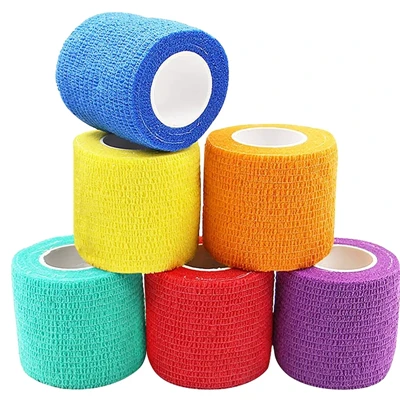
| Category | Specific varieties |
| Intervention class | Guide wires, catheters, stents, balloons, etc |
| Neurosurgery | Intracranial fillers/implants, etc |
| Electrophysiology | Ablation catheters, mapping catheters, etc |
| Pacemakers and extracorporeal circulation devices | Pacing catheters, defibrillators, artificial cardiopulmonary auxiliary materials, dialysis tubes, separators, etc |
| Ophthalmology | Intraocular fillers, lenses, etc |
| Orthopedics | Artificial joints, repair and fixation materials, etc |
| Stomatology | Therapeutic materials used for oral filling, dental implants, facial trauma repair, root canal treatment, etc |
According to their uses, medical consumables can be classified into seven categories based on their different applications in clinical medical activities, including injection and puncture materials and polymer materials, medical hygiene materials and dressings, some commonly used medical devices in operating rooms, medical X-ray accessory equipment and components, dialyzers and dialysis tubes, and intraocular lenses. And special consumables such as catheters, guide wires and stents dedicated to clinical departments.

| Category | Examples and items |
| Injection puncture type and polymer materials | Disposable sterile syringes, disposable intravenous infusion needles, disposable sterile catheters, central venous catheters, etc |
| Medical hygiene materials and dressings | Sandpaper bandages, medical adhesive tapes, medical absorbent cotton balls, disposable medical treatment towels, medical gloves, medical rubber plasters, etc |
| Some commonly used medical devices in the operating room | Disposable anesthesia kits, disposable analgesic pumps, tracheal tubes, medical absorbable sutures, suturing devices, electrocardiogram electrode patches, etc |
| Medical X-ray accessory equipment and components | Medical X-ray film, medical X-ray film development kits, high-pressure syringe barrels, etc |
| Dialyzer and dialysis tubing | Common dialyzers, blood filters, hemoperfusion devices, connected renal replacement therapy tubes, internal fistula puncture needles, safety bacterial filters, etc |
| Intraocular lens | Types include soft and hard lenses, etc |
Classify by risk level
The first category consists of medical devices with a low risk level, for which routine management can ensure their safety and effectiveness.
The second category consists of medical devices with moderate risks that require strict control and management to ensure their safety and effectiveness.
The third category consists of medical devices with relatively high risks that require special measures for strict control and management to ensure their safety and effectiveness.
When evaluating the risk level of medical devices, factors such as the intended purpose, structural features, and usage methods of the medical devices should be taken into consideration.

Classify by characteristics
In the daily management of medical consumables, they can be classified and managed according to their different characteristics.
1)Consumables are classified into implantable consumables and non-implantable consumables based on whether they can be implanted in the human body.
2) According to the place of production, consumables can be classified into domestic consumables and imported consumables.
3) According to whether the specifications can be determined before the operation, consumables can be classified into inventory management consumables and customized consumables (such as bone plates, bone nails and other consumables, the required specifications and models can only be determined during the operation).
4) According to whether they can be reused, consumables can be classified into disposable consumables and reusable consumables, etc.