


Bandage

Choose by Fixation, Support or Compression
Our range includes cohesive, elastic, gauze, PBT conforming, tubular and triangular bandages for dressing retention, compression, joint support, first aid, sports care and veterinary use.
Select the required function first, then confirm material, width, roll length, stretch, latex content, sterile status and packaging. Products used directly on wounds are available under Wound Dressing.
| Main Bandage Types | Adapted scenarios |
| Self-Adhesive Bandages | Self-retaining wraps for fast fixation without clips or separate tape. |
| Elastic Bandages | Stretchable bandages for adjustable support and compression. |
| Gauze Bandages | Breathable rolls for routine wrapping and dressing retention. |
| PBT Bandages | Lightweight conforming bandages for joints and body contours. |


What Actually Changes Between Bandage Types?
The product name tells you the general use. Fabric construction, stretch recovery, cohesive grip, roll length and packaging determine whether the bandage will perform the same way in use and across repeat orders.
Self-Adhesive Bandage
Use it when the wrap needs to hold to itself without clips or separate tape.
The real difference: backing fabric, cohesive coating, latex content, unwind force and layer-to-layer grip.
Elastic Bandage
Use it for adjustable support or compression with clips or hook-and-loop closure.
The real difference: recovery after stretching, pressure consistency, fabric weight and closure strength.
Gauze Bandage
Use it for routine wrapping and dressing retention where a traditional cotton construction is required.
The real difference: yarn count, weave, edge finish, roll density, sterile status and unit pack.
PBT Conforming Bandage
Use it for lightweight dressing retention around joints, limbs and body contours.
The real difference: fabric weight, conformability, stretched length, edge quality and roll tightness.
The Same Size Does Not Always Mean the Same Bandage
Two rolls marked 5 cm × 4.5 m can feel, stretch and hold very differently. Most quotation gaps come from details that were never written into the specification.
Confirm whether the stated length is measured before stretching or at full stretch. Comparing different measurement methods gives a false price comparison.
A high stretch percentage means little when the fabric does not recover well. Weak recovery leads to loose wrapping and unstable support.
For self-adhesive bandages, check grip between layers, unwind force, residue expectations and latex requirements instead of choosing by color alone.
Fabric weight, surface uniformity and edge finish affect conformability, fraying and how the roll behaves during application.
Sterile and non-sterile versions are different purchasing specifications. The decision also changes labeling, documentation, unit packaging and cost.

Color is easy to compare. Cohesive grip, recovery and roll consistency require sample testing.
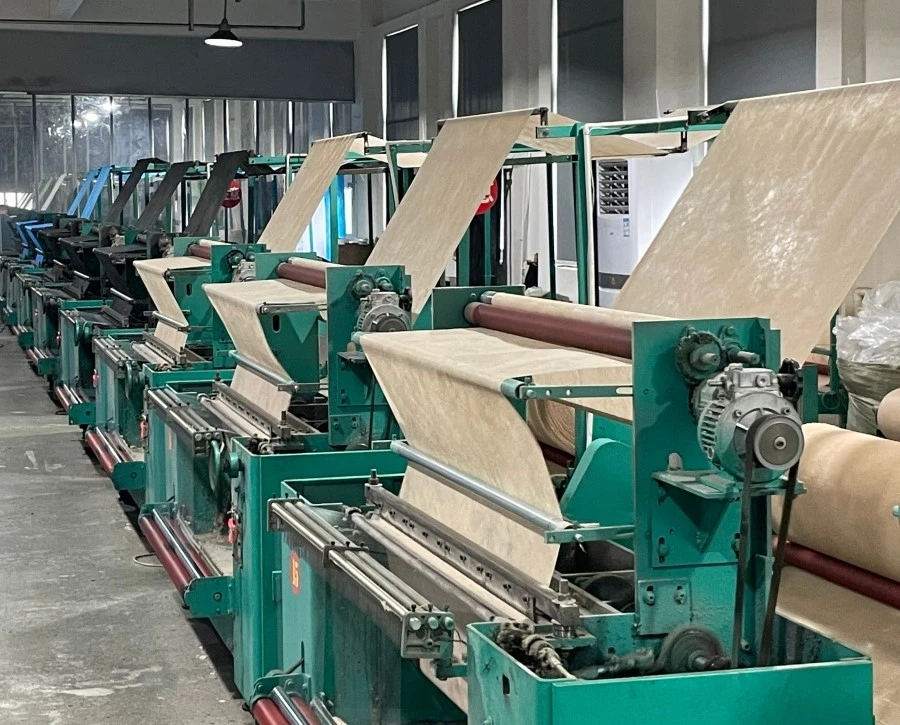
One Bandage Specification Does Not Fit Every Sales Channel
The product construction may stay similar, but packaging, labeling, documentation and case quantities change with the way the bandage will be sold or supplied.
Medical Distributors
Focus on stable standard sizes, repeat-order consistency, neutral or branded packaging, case quantities and destination-market documents.
Hospital and Clinic Supply
Define material, dimensions, sterile status, unit packaging, labeling and tender documentation against the exact item being purchased.
Private-Label Retail
Color, printed core, retail box, barcode, language, pack count and carton artwork often matter as much as the roll itself.
Need to Match an Existing Bandage?
Send the current sample or specification with the intended use, material, width, roll length, stretched or unstretched measurement, latex requirement, sterile status, packaging, quantity and destination market.
Request a Sample or QuoteBandage Purchasing Questions
What is the difference between cohesive and elastic bandages?
A cohesive bandage holds to its own layers and normally needs no clip. An elastic bandage uses stretch and a closure to provide adjustable support or compression.
Should I choose gauze or PBT conforming bandage?
Choose gauze when a traditional cotton wrapping construction is specified. Choose PBT when lightweight conformability around joints and body contours is the priority. Neither should be treated as a direct substitute for an absorbent wound dressing.
Is bandage length measured stretched or unstretched?
Both methods appear in the market. State the measurement basis in the specification and use the same method when comparing samples and quotations.
Can latex-free and private-label bandages be supplied?
Latex-free constructions and private-label packaging are available for selected products. The exact material, coating, color, pack and documentation need to be confirmed by SKU.
What determines the MOQ?
MOQ changes with the bandage construction, standard or custom size, color, printed packaging and whether the order uses an existing specification or a new private-label configuration.
Ayida (Xiamen) P&C Technology Co., Ltd. is one of the leading bandage manufacturers and suppliers in China. We warmly welcome you to wholesale bulk breathable bandage for sale here from our factory. All custom made products are with high quality and competitive price.