


WOUND CARE DISTRIBUTORS & PRIVATE-LABEL BRANDS
Source superabsorbent dressings, hydrocolloid sheets, sterile gauze and medical PU film for your wound care range. We match samples and bulk supply to the required fluid handling, wound contact surface, coverage, fixation and pack format.
Start with the clinical application and the current dressing specification. Exudate level, wound location, skin tolerance and dressing-change requirements determine which products belong in the comparison.
01 / DRESSING OPTIONS
Choose the Material for Its Job
The range below gives you four different purchasing routes. The clinical brief defines the intended wound use; the product specification defines the construction, sterile status and packaging.
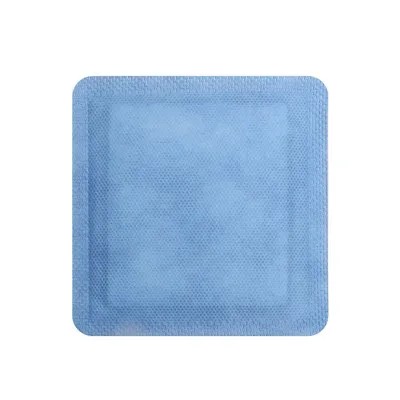
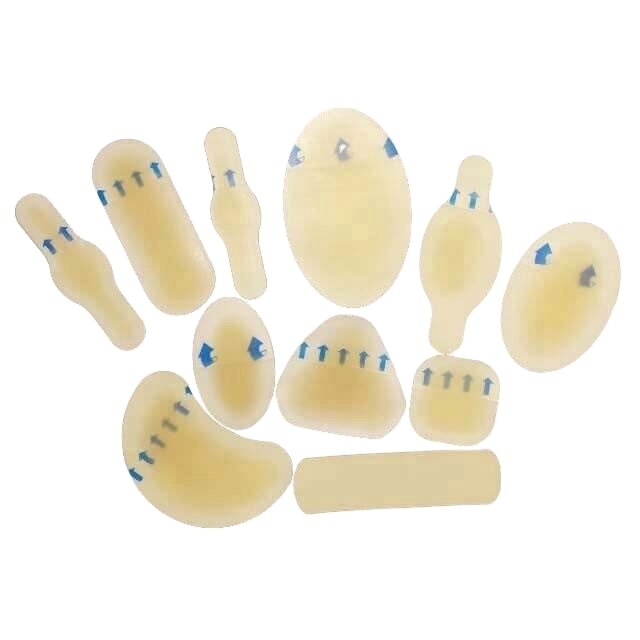

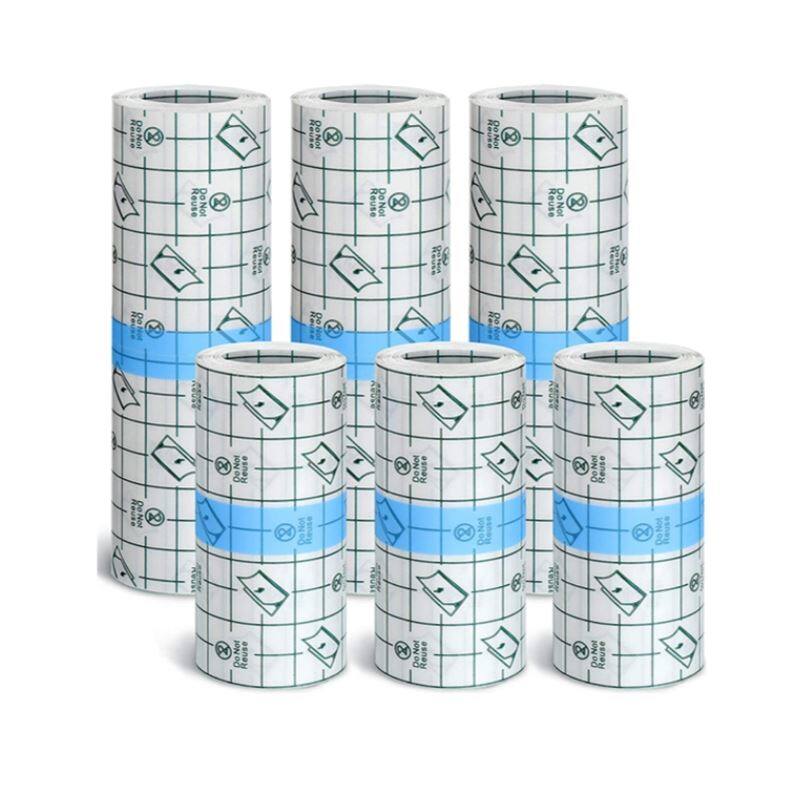
For pressure-ulcer treatment, the clinical protocol needs its own dressing selection. Keep routine gauze replenishment separate from that treatment range; NICE guidance advises against gauze dressings for treating pressure ulcers.
02 / SUPPLY PROGRAMS
Build the Range Around the Care Setting
03 / SAMPLE COMPARISON
Compare Performance on the Same Basis

For applicable products, EN 13726:2023 provides test methods covering absorption, moisture vapor transmission, waterproofness and extensibility. Agree the method and acceptance criteria for the selected SKU; a reference to the standard alone does not establish its performance.
04 / ORDER ECONOMICS
Compare the Cost of a Dressing Change
Dressing + required secondary materials + fixation + opened material left unused. Keep the clinical change interval and staff time visible in the comparison.
A lower piece price can lose its advantage when each visit requires extra absorbent material or opens a pouch containing more pieces than the procedure uses. Compare the complete, clinically accepted configuration and the quantity consumed per change.
05 / BULK & PRIVATE LABEL
Turn the Accepted Sample into an Order
We review dimensions, packaging and private-label options against your product brief. Keep the accepted sample, construction and pack format tied to the quoted SKU so repeat orders use the same reference.
Request Samples and a Bulk Quote
Send your current dressing specification or sample reference, intended application, quantities by size and destination market. Include fluid-handling requirements, fixation, sterile presentation and branding needs. We can review a sample shortlist and quote the agreed configuration.
06 / PURCHASING QUESTIONS
Wound Dressing Supply FAQs
How do we compare hydrocolloid and superabsorbent dressings?
Begin with the intended application and exudate-management requirement. Hydrocolloid sheets form a gel as they absorb fluid; superabsorbent dressings are a comparison route for higher fluid-handling needs. The selected construction, clinical protocol, surrounding skin and product labeling determine suitability.
Are the same outside dimensions enough to match an existing dressing?
No. Match the usable contact or absorbent area, border width, layer construction, thickness, adhesive and fixation method. Sterile status and the pouch quantity also belong in the comparison. A current specification and sample reference make the shortlist more precise.
Can a transparent PU film roll replace a sterile film dressing?
A roll format needs a defined material or conversion specification. A finished sterile film dressing needs its own construction, adhesive, intended use, packaging and supporting documentation. Request the complete product format required by your application when discussing a replacement.
Can we customize dimensions and private-label packaging?
We can review custom dimensions, dispensing formats and artwork for the selected product. The quote identifies the proposed construction, pack configuration, minimum order quantity and production timing. Customization needs to remain consistent with the intended use and destination-market requirements.
What are the MOQ and production time?
For our standard superabsorbent wound dressing, the listed MOQ is 10,000 pieces per size and the usual production cycle is 3–6 weeks. We confirm the schedule for the agreed order. Hydrocolloid, gauze, film and custom packaging have their own quotation terms.
Can we request several dressing types in one inquiry?
Yes. List each product and size with its quantity, sterile presentation and pack format. Include the accepted specification or the current sample reference for replacement projects. We review each line so the quotation keeps the product and purchasing unit clear.
Selection and comparison references: WUWHS exudate consensus (2026) · NICE pressure-ulcer guidance · EN 13726:2023 test methods.