

Is it okay to use a wound dressing on an infected wound?
As a wound dressing supplier, I often encounter this question from customers. Infected wounds present a complex and challenging situation in wound care, and the use of wound dressings on them requires careful consideration. In this blog, I'll delve into the topic to provide a comprehensive understanding of whether it's okay to use a wound dressing on an infected wound and explore the different types of dressings that can be effective.
Understanding Infected Wounds
An infected wound occurs when bacteria, fungi, or other pathogens invade the wound site, leading to an inflammatory response. Signs of an infected wound may include increased pain, redness, swelling, warmth, pus formation, and a foul odor. In severe cases, systemic symptoms such as fever and malaise may also be present. The presence of infection can significantly delay the wound - healing process and may even lead to more serious complications if not properly managed.
The Role of Wound Dressings in Infected Wounds
Using a wound dressing on an infected wound can be beneficial in several ways. First, it helps to create a physical barrier that prevents further contamination from external sources. This is crucial as additional pathogens can exacerbate the infection. Second, a suitable wound dressing can manage the wound exudate. Infected wounds often produce a large amount of exudate, which contains bacteria, inflammatory mediators, and tissue debris. By absorbing or controlling the exudate, the dressing can keep the wound environment clean and reduce the risk of maceration of the surrounding skin.
Moreover, some wound dressings have antimicrobial properties. These dressings can directly target the pathogens in the wound, helping to reduce the bacterial load and promote a more favorable environment for healing. However, it's important to note that not all wound dressings are suitable for infected wounds, and the choice of dressing depends on various factors such as the type and severity of the infection, the location of the wound, and the patient's overall health.

Types of Wound Dressings for Infected Wounds
Spunlace Dressing
Spunlace dressings are a popular choice for wound care, including infected wounds. They are made from a non - woven fabric that is soft, absorbent, and conformable to the wound surface. Spunlace Dressing can effectively absorb the exudate from infected wounds, keeping the wound dry and reducing the risk of bacterial growth. The open - structure of spunlace dressings also allows for good oxygen exchange, which is essential for the wound - healing process. Additionally, they are gentle on the skin, minimizing the risk of trauma when the dressing is removed.
Superabsorbent Dressing
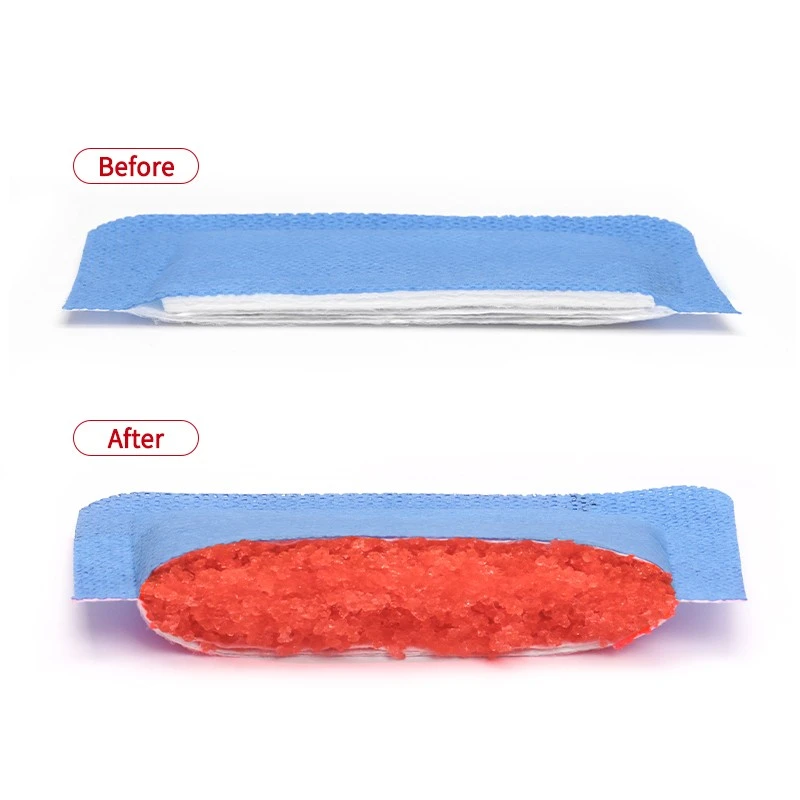
When dealing with heavily exuding infected wounds, Superabsorbent Dressing can be a great option. These dressings are designed to absorb a large volume of exudate, up to several times their own weight. They contain superabsorbent polymers that can lock in the exudate, preventing leakage and reducing the frequency of dressing changes. By keeping the wound dry, superabsorbent dressings create an environment that is less conducive to bacterial growth. They are also available in different shapes and sizes, making them suitable for various wound types and locations.
Pu Wound Dressing
Pu Wound Dressing is another type of dressing that can be used on infected wounds. Polyurethane (PU) dressings are semi - permeable, allowing for the exchange of moisture and oxygen while providing a barrier against bacteria. They are flexible and conform well to the wound, providing a comfortable fit. Some PU dressings also have an adhesive layer that helps to secure the dressing in place, reducing the risk of displacement and contamination. In addition, they can be used in combination with other antimicrobial agents to enhance their effectiveness against infection.
Considerations When Using Wound Dressings on Infected Wounds
Before applying a wound dressing to an infected wound, it's essential to clean the wound thoroughly. This helps to remove any visible debris, pus, and loose tissue, reducing the bacterial load in the wound. The cleaning solution should be chosen carefully, as some solutions may be too harsh and damage the healthy tissue. Normal saline is often the preferred choice for wound cleaning as it is gentle and isotonic.
It's also important to monitor the wound closely after applying the dressing. Look for signs of improvement, such as a decrease in pain, redness, and exudate, as well as the appearance of healthy granulation tissue. If there are no signs of improvement or if the condition of the wound worsens, it may be necessary to change the dressing or seek medical advice.
In some cases, the use of systemic antibiotics may be required in addition to wound dressings. This is especially true for severe or deep - seated infections. The decision to use antibiotics should be made by a healthcare professional based on the specific circumstances of the patient.
Conclusion
In general, it is okay to use a wound dressing on an infected wound, and in fact, it is often an essential part of the wound - care management. However, the choice of dressing should be based on a thorough assessment of the wound and the patient's condition. Spunlace dressings, superabsorbent dressings, and Pu wound dressings are all viable options for infected wounds, each with its own unique advantages.
If you are in the market for high - quality wound dressings for infected wounds or other types of wounds, we are here to help. Our company offers a wide range of wound dressings that are designed to meet the diverse needs of patients and healthcare providers. Whether you are a hospital, a long - term care facility, or an individual in need of wound - care products, we can provide you with the solutions you require. Contact us today to discuss your specific requirements and start a procurement negotiation.
References
- National Pressure Ulcer Advisory Panel, European Pressure Ulcer Advisory Panel, and Pan Pacific Pressure Injury Alliance. Prevention and Treatment of Pressure Ulcers: Quick Reference Guide. Emily Haesler (Ed.). Cambridge Media: Osborne Park, Western Australia; 2019.
- Wound Healing Society. Wound Healing Practice Guidelines. Available at: https://www.woundsociety.org/guidelines. Accessed [date].
- Sibbald RG, Orsted HL, Ayello EA, et al. Evidence - based wound management. Adv Skin Wound Care. 2006;19(10 Suppl):S1 - 28.