

Over the past two decades, wound care management has gradually shifted from traditional dry healing to what is now widely accepted as "moist wound healing". This change is not just theoretical-it directly affects healing speed, infection control, and overall treatment cost.
What Is a Hydrocolloid Dressing Made Of?
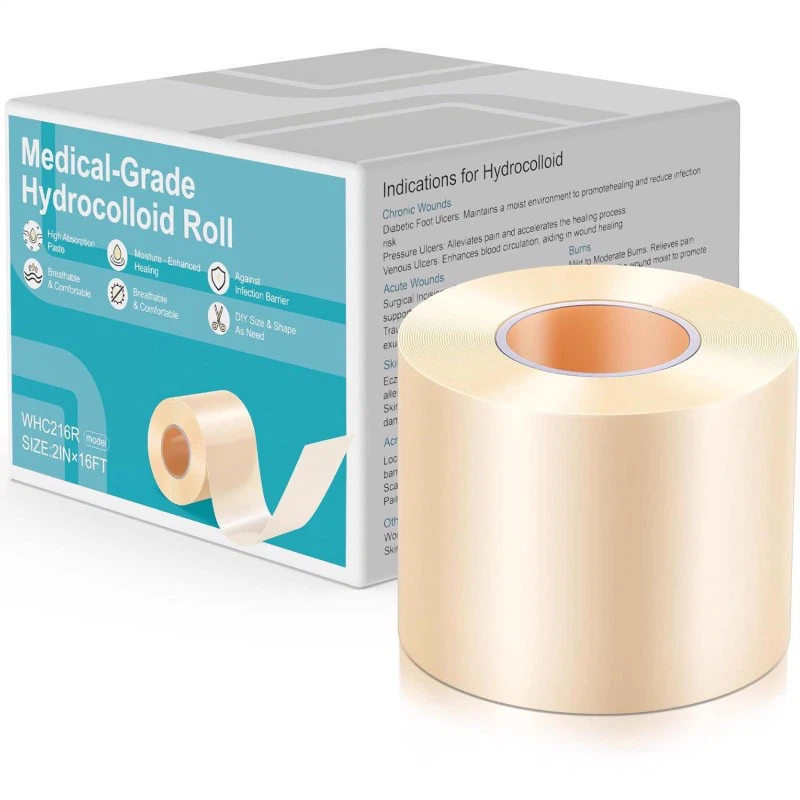
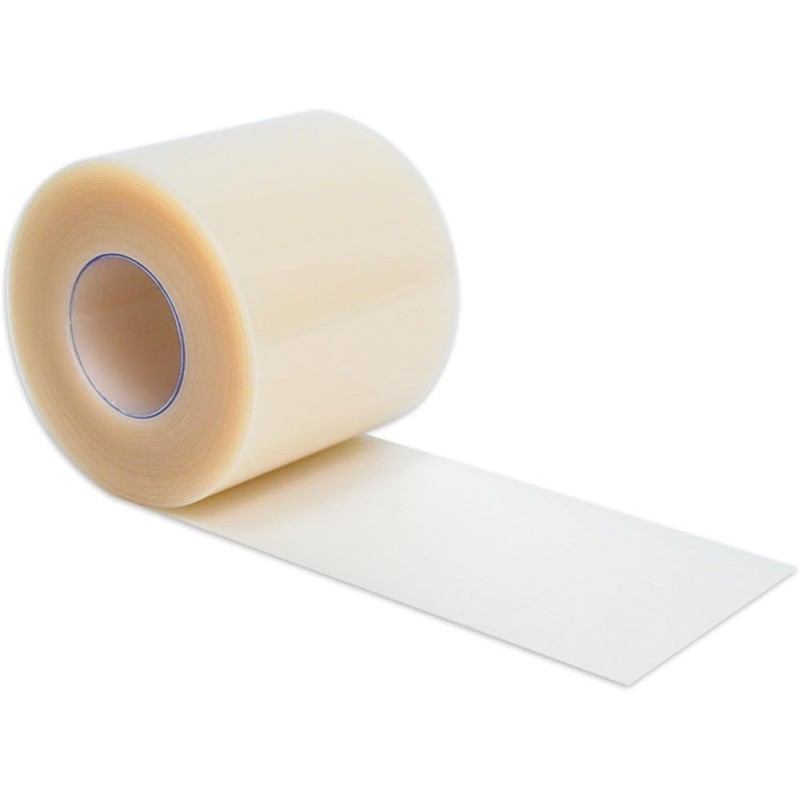
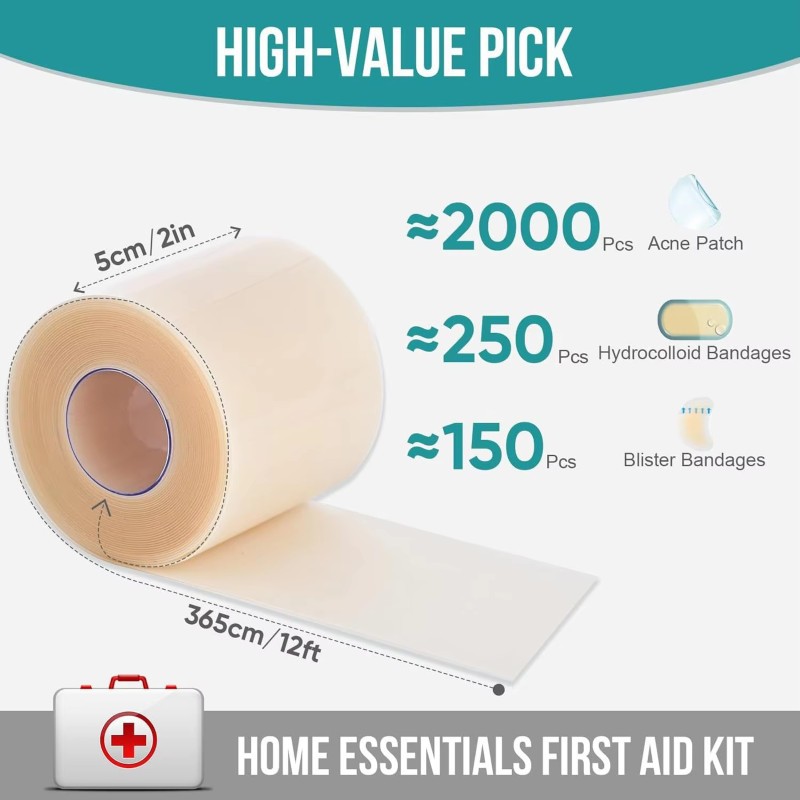
A Medical Hydrocolloid Rolls is a multi-layer wound care material designed to maintain a controlled moist environment.
Typical structure includes:
- Hydrophilic particles, primarily CMC
- An elastic adhesive matrix
- A PU film backing layer
This structure allows the dressing to remain securely attached while still interacting with wound exudate.
From a manufacturing perspective, the balance between these three components determines product performance. This is also where differences between suppliers become evident.
At Ayida, hydrocolloid materials are produced under controlled environments to ensure consistent gel formation and adhesion performance across batches.
Do you know how the hydrocolloid works?
The main function of hydrocolloid dressings is to create a stable moist healing environment.
After application, several processes take place:
Gel Formation
When the dressing absorbs wound exudate, the hydrophilic particles swell and form a soft gel layer.
This gel helps to:
- Maintain moisture balance
- Protect new tissue
- Prevent the wound from drying and forming hard scabs
Controlled Wound Environment
Hydrocolloid dressings are semi-occlusive, meaning they provide protection without completely sealing the wound.
They:
- Block bacteria and external contaminants
- Allow limited oxygen exchange
- Maintain a stable temperature
This balance is critical for reducing infection risk while supporting tissue regeneration.
Autolytic Debridement
n a moist environment, the body can naturally break down dead tissue. This process is known as **autolytic debridement.
Compared to mechanical cleaning, this approach:
- Reduces pain
- Minimizes tissue damage
- Lowers nursing workload
For healthcare providers, this translates into more efficient wound management.
Why Hydrocolloid Dressings Are Replacing Traditional Gauze?
Traditional gauze is still widely used, but its limitations are clear in modern clinical settings.
Hydrocolloid dressings offer several advantages:
Longer wear time (typically 3–7 days)
Reduced dressing change frequency
Lower risk of contamination
Improved patient comfort
Better healing outcomes with less scarring
From a procurement perspective, this means lower overall treatment costs, even if the unit price is higher.
If you want to learn more about wound dressings first, please feel free to contact Ayida.