

For many buyers, medical hydrocolloid rolls are often treated as a standard product-something that can be sourced from almost any supplier. In reality, performance can vary significantly depending on materials, coating technology, and production control.
If you are supplying hospitals, clinics, or building your own wound care brand, choosing the right hydrocolloid dressing is less about price and more about consistency and application fit.
This guide focuses on what actually matters during sourcing and how to avoid common issues in the market.
Not All Hydrocolloid Rolls Perform the Same
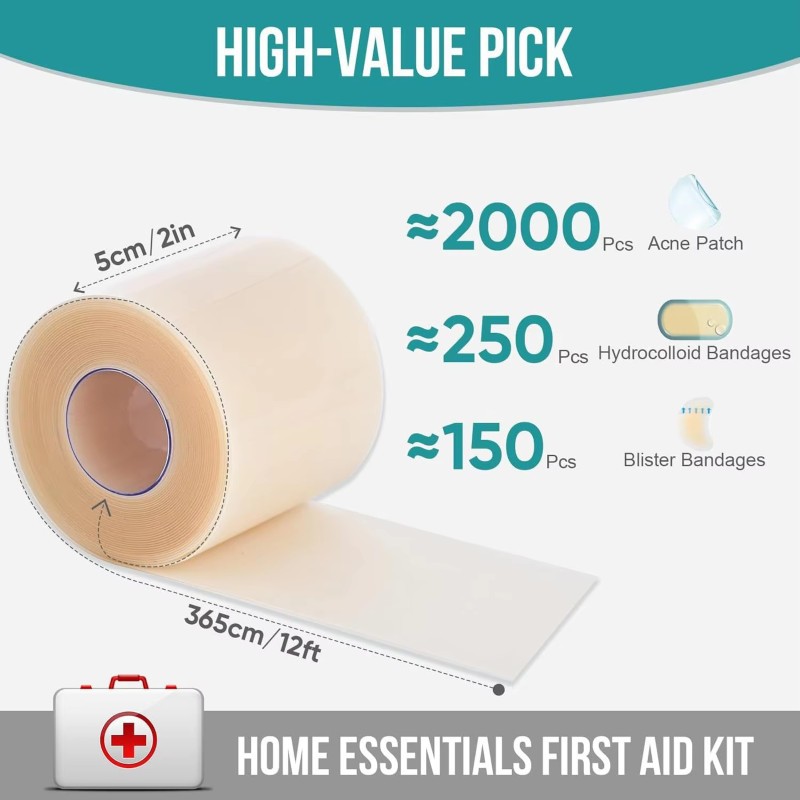
At first glance, most hydrocolloid rolls look similar. However, differences become obvious once they are used in real clinical settings.
The main variables usually come down to:
- Adhesive formulation
- Absorption capacity
- Film quality
- Manufacturing stability
Reliable hydrocolloid dressing suppliers invest heavily in coating precision and raw material control. Without that, even small inconsistencies can lead to edge lifting, poor gel formation, or patient discomfort.
Manufacturers like Ayida tend to focus on batch consistency, which is often more important than having the lowest price in the market.
Key Factors to Evaluate Before Purchasing
Adhesion: Strong but Not Aggressive
A good hydrocolloid dressing should stay in place for several days but still be easy to remove.
Common problems in low-quality products include:
Dressing falling off too early
Excessive adhesion causing skin damage
For buyers, this directly affects customer feedback and reorder rates.
Absorption Capacity: Match the Application
Hydrocolloid dressings are generally used for low to moderate exudate wounds. However, not all products perform at the same level.
Before placing bulk orders, it is worth checking:
Fluid absorption test data
Gel consistency after absorption
This is especially important if your target customers include hospitals or long-term care facilities.

Thickness and Flexibility
Thickness impacts both protection and usability.
Thinner rolls offer better flexibility and conformability
Thicker rolls provide more cushioning but may reduce comfort on joints
There is no "best" option-only what fits your market positioning.
PU Film Quality
The outer film layer is often overlooked, but it plays a critical role.
A well-designed PU film should:
Be waterproof
Allow moisture vapor transmission
Maintain flexibility during movement
Poor film quality is one of the main causes of edge lifting.
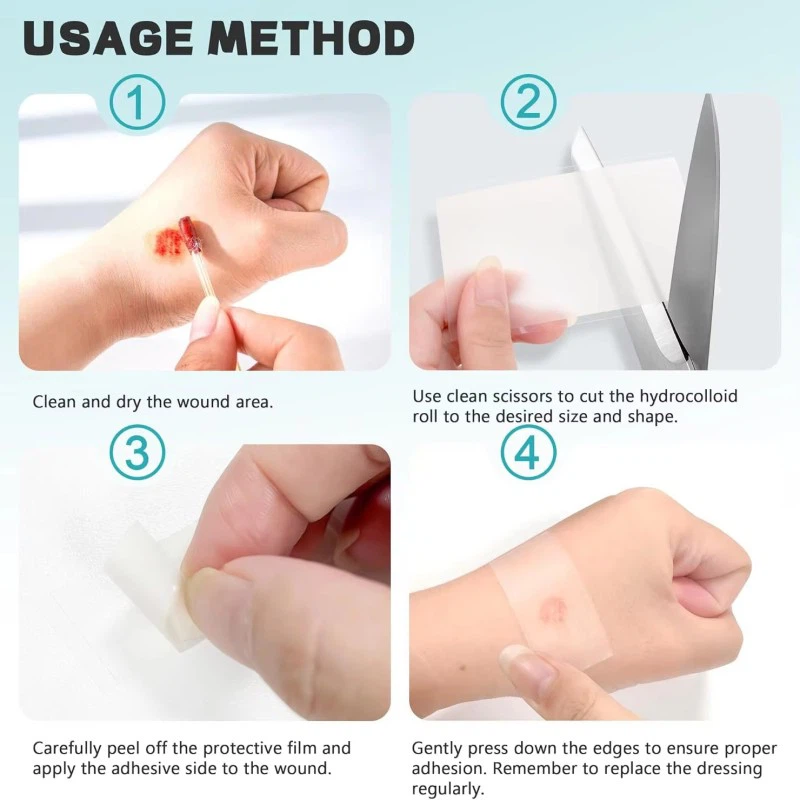
As a professional wound dressing manufacturer, if you would like to learn more about our products or require customized solutions, please contact Ayida.