

Surgical caps are a fundamental component of the medical professional's attire, playing a crucial role in maintaining a sterile environment during surgical procedures. As a surgical cap supplier, I have witnessed firsthand the importance of these seemingly simple pieces of equipment in preventing microbial contamination. In this blog, I will delve into the science behind surgical caps, their various types, and their impact on patient safety.
The Science of Microbial Contamination in Surgery
Microbial contamination in the operating room can lead to surgical site infections (SSIs), which are a significant cause of morbidity and mortality in patients undergoing surgery. These infections can result from a variety of sources, including the patient's own skin flora, airborne microorganisms, and the surgical team's clothing and hair. Hair, in particular, can harbor a large number of bacteria and fungi, which can be shed into the surgical field during the procedure.
Surgical caps are designed to cover the hair and scalp, preventing the shedding of hair and the release of microorganisms into the operating room environment. By containing the hair, surgical caps act as a physical barrier, reducing the risk of contamination and helping to maintain a sterile surgical field.
Types of Surgical Caps and Their Effectiveness
There are several types of surgical caps available on the market, each with its own unique features and benefits. Some of the most common types include disposable non-woven caps, reusable fabric caps, and bouffant caps.
Disposable Non-woven Caps: These caps are made from non-woven materials, such as polypropylene, which are lightweight, breathable, and inexpensive. Non-woven caps are designed for single-use and are typically discarded after each surgical procedure. They provide a high level of protection against microbial contamination and are widely used in healthcare settings. You can explore our range of Non-woven Cap options for reliable and cost-effective solutions.
Reusable Fabric Caps: Reusable fabric caps are made from materials such as cotton or polyester and can be washed and sterilized for multiple uses. These caps are more durable than disposable non-woven caps and can provide a comfortable and breathable option for surgical teams. However, they require proper laundering and sterilization to ensure their effectiveness in preventing microbial contamination.
Bouffant Caps: Bouffant caps are a type of disposable cap that is designed to fit loosely over the head, providing a large amount of coverage for the hair and scalp. These caps are often used in surgical procedures where a high level of protection is required, as they can effectively contain the hair and prevent the release of microorganisms into the surgical field. Our Blue Sky Surgical Caps offer a stylish and functional bouffant cap option for your surgical needs.
Design Features for Enhanced Protection
In addition to the type of material used, the design of surgical caps can also play a role in their effectiveness in preventing microbial contamination. Some key design features to look for include:
Full Coverage: A surgical cap should provide full coverage of the hair and scalp, including the ears and neck. This helps to prevent the shedding of hair and the release of microorganisms into the surgical field.
Secure Fit: A well-fitting surgical cap is essential for maintaining its effectiveness. Caps should be snug but not too tight, and they should stay in place throughout the surgical procedure. Some caps feature elastic bands or ties to ensure a secure fit.
Breathability: Surgical caps should be breathable to prevent discomfort and sweating, which can increase the risk of microbial contamination. Look for caps made from materials that allow air to circulate and wick away moisture.
Antimicrobial Properties: Some surgical caps are treated with antimicrobial agents to help reduce the growth of bacteria and fungi. These caps can provide an additional layer of protection against microbial contamination.
The Role of Surgical Caps in Patient Safety
The use of surgical caps is an important part of infection prevention and control measures in the operating room. By preventing the shedding of hair and the release of microorganisms into the surgical field, surgical caps help to reduce the risk of surgical site infections and improve patient outcomes.
In addition to their role in preventing microbial contamination, surgical caps also have a psychological impact on patients and surgical teams. Wearing a surgical cap can help to create a sense of professionalism and sterility, which can enhance patient confidence and trust in the surgical team.

The Importance of Quality and Compliance
As a surgical cap supplier, I understand the importance of providing high-quality products that meet or exceed industry standards. All of our surgical caps are manufactured in accordance with strict quality control measures and are tested to ensure their effectiveness in preventing microbial contamination.
In addition to quality, compliance with regulatory requirements is also essential. Surgical caps must meet the standards set by organizations such as the Food and Drug Administration (FDA) and the International Organization for Standardization (ISO). By choosing a reputable surgical cap supplier, you can ensure that you are getting products that are safe, effective, and compliant with all relevant regulations.
Our Unique Offerings: Cute Surgical Caps
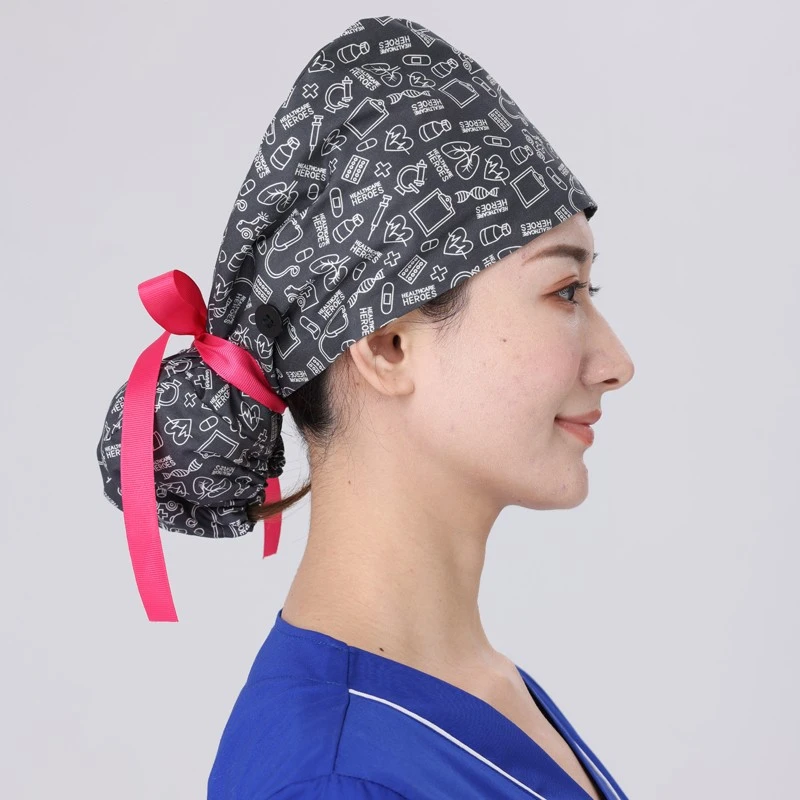
In addition to our standard range of surgical caps, we also offer a selection of Cute Surgical Caps that combine style and functionality. These caps are available in a variety of colors and designs, making them a popular choice among surgical teams who want to add a touch of personality to their attire.
Our cute surgical caps are made from the same high-quality materials as our standard caps and provide the same level of protection against microbial contamination. They are a great option for healthcare facilities that want to create a more positive and friendly environment for their patients and staff.
Conclusion
Surgical caps play a vital role in preventing microbial contamination in the operating room and ensuring patient safety. By choosing the right type of surgical cap and ensuring its proper use and maintenance, healthcare facilities can significantly reduce the risk of surgical site infections and improve patient outcomes.
As a surgical cap supplier, I am committed to providing high-quality products that meet the needs of healthcare professionals. Our range of surgical caps, including Blue Sky Surgical Caps, Cute Surgical Caps, and Non-woven Cap, offers a variety of options to suit different preferences and requirements.
If you are interested in learning more about our surgical caps or would like to discuss your specific needs, please do not hesitate to contact us. We look forward to the opportunity to work with you and help you provide the best possible care for your patients.
References
- Association for Professionals in Infection Control and Epidemiology (APIC). (2017). APIC's Guide to Infection Prevention for Acute Care Settings.
- Centers for Disease Control and Prevention (CDC). (2017). Guideline for Prevention of Surgical Site Infection, 2017.
- World Health Organization (WHO). (2016). Guidelines on Hand Hygiene in Health Care: First Global Patient Safety Challenge Clean Care is Safer Care.