

Is muscle tape effective for sports injuries?
As a supplier of muscle tape, I've been asked this question countless times. Muscle tape, also known as kinesiology tape, has gained significant popularity in the sports and fitness community in recent years. It's often seen on the bodies of athletes, from professional sports stars to weekend warriors. But does it really work when it comes to treating sports injuries? Let's delve into the science and real - world applications to find out.
The Basics of Muscle Tape
Muscle tape is a flexible, elastic adhesive tape that is designed to be applied to the skin over muscles, joints, or tendons. Adhesive Muscle Tape comes in various widths and lengths, and it can be cut to fit different body parts. The tape is typically made of a cotton or synthetic blend with an acrylic adhesive on one side.
One of the key features of muscle tape is its elasticity. It mimics the elasticity of human skin, allowing for a wide range of motion while still providing support. This is in contrast to traditional rigid sports tape, which can restrict movement and may cause skin irritation.
How Muscle Tape is Supposed to Work
There are several theories about how muscle tape works to alleviate sports injuries.
1. Support and Alignment
Muscle tape can provide external support to muscles and joints. When applied correctly, it can help to realign the body's structure, reducing the stress on injured or overworked muscles and joints. For example, if an athlete has a sprained ankle, Muscle Strapping Tape can be applied in a way that stabilizes the ankle joint, preventing further damage and promoting proper movement patterns.
2. Blood and Lymphatic Flow
Another theory is that muscle tape can improve blood and lymphatic circulation. The tape's elastic properties create a lifting effect on the skin, which may increase the space between the skin and underlying tissues. This can potentially enhance blood flow to the injured area, delivering more oxygen and nutrients to aid in the healing process. Additionally, improved lymphatic flow can help to reduce swelling by removing waste products and excess fluid from the injured site.
3. Proprioception
Proprioception is the body's ability to sense its position and movement in space. Muscle tape can stimulate the sensory receptors in the skin, providing feedback to the nervous system. This enhanced proprioceptive input can help athletes to have better control over their movements, reducing the risk of further injury and improving performance.
Scientific Evidence for Muscle Tape's Effectiveness
The scientific community has conducted numerous studies to evaluate the effectiveness of muscle tape for sports injuries. However, the results have been somewhat mixed.
Some studies have shown positive effects. For instance, a study published in the Journal of Athletic Training found that kinesiology tape application improved pain and function in patients with shoulder impingement syndrome. Another study on ankle sprains showed that muscle tape application reduced pain and improved balance in the early stages of recovery.
On the other hand, there are also studies that have found limited or no significant benefits. A systematic review in the British Journal of Sports Medicine analyzed multiple studies on muscle tape for various conditions, including low back pain and knee osteoarthritis. The review concluded that there was insufficient evidence to support the use of muscle tape as a standalone treatment for these conditions.
One of the challenges in researching muscle tape is the difficulty in isolating its effects. Many factors can influence the outcome of a sports injury, such as the severity of the injury, the individual's overall health, and the rehabilitation program. Additionally, the placebo effect may play a role, as athletes who believe in the tape's effectiveness may experience psychological benefits that can improve their performance and perception of pain.
Real - World Applications and User Experiences
Despite the mixed scientific evidence, muscle tape has a large and loyal following among athletes and sports enthusiasts. Many users report positive experiences with muscle tape, claiming that it helps to reduce pain, improve performance, and speed up recovery.
In the real - world setting, Adhesive Strips For Muscles are widely used in a variety of sports, including running, basketball, soccer, and weightlifting. Athletes use muscle tape for different purposes, such as preventing injuries during training, managing pain during competition, and aiding in post - injury recovery.
For example, a long - distance runner may use muscle tape on their knees to provide support and reduce the impact of repetitive stress. A basketball player may apply tape to their wrists to prevent sprains during quick movements and jumps. And a weightlifter may use tape on their shoulders to enhance stability and prevent muscle strains.
Factors Affecting the Effectiveness of Muscle Tape
The effectiveness of muscle tape can be influenced by several factors:

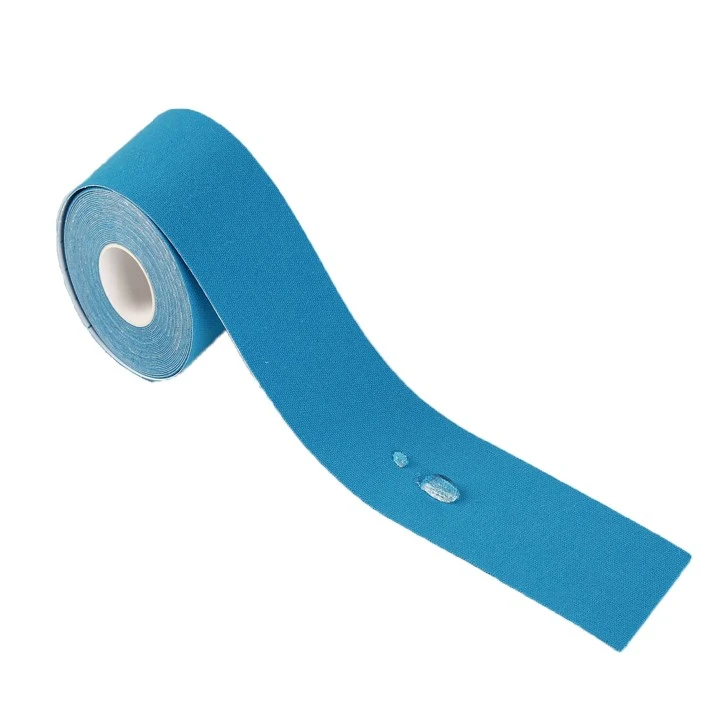
1. Application Technique
Proper application is crucial for muscle tape to work effectively. The tape needs to be applied at the right tension and in the correct direction to target the specific muscle or joint. Incorrect application may result in the tape not providing the desired support or even causing discomfort.
2. Quality of the Tape
Not all muscle tapes are created equal. High - quality tapes are more likely to adhere well to the skin, have the right elasticity, and be durable. As a supplier, I understand the importance of providing products that meet the highest standards. Our Adhesive Muscle Tape is made from premium materials and undergoes strict quality control to ensure its effectiveness and reliability.
3. Individual Response
Each person's body responds differently to muscle tape. Some individuals may experience significant benefits, while others may not notice much of a difference. Factors such as skin sensitivity, body composition, and the nature of the injury can all affect an individual's response to the tape.
Conclusion and Call to Action
In conclusion, while the scientific evidence for muscle tape's effectiveness is not conclusive, there is a growing body of anecdotal evidence and some positive research findings. Muscle tape has the potential to provide support, improve circulation, and enhance proprioception, which can be beneficial for sports injuries.
Whether you're a professional athlete looking for an edge in performance, a weekend warrior recovering from an injury, or a sports team in need of reliable supplies, our muscle tape products can be a valuable addition to your toolkit. We offer a wide range of Adhesive Muscle Tape, Adhesive Strips For Muscles, and Muscle Strapping Tape to meet your specific needs.
If you're interested in learning more about our products or would like to discuss a potential purchase, please don't hesitate to reach out. We're here to provide you with the best quality muscle tape and excellent customer service.
References
- Journal of Athletic Training - Study on shoulder impingement syndrome
- British Journal of Sports Medicine - Systematic review on muscle tape for various conditions