

Hey there! As a supplier of gauze bandages, I've seen firsthand how important it is to know how to use these products correctly, especially when dealing with a wound near the eye. This area is super sensitive, so you've got to be extra careful. In this blog, I'll walk you through the steps of using a gauze bandage on a wound near the eye, and also tell you a bit about the different types of gauze bandages we offer.
Why Using a Gauze Bandage Near the Eye is Tricky
The skin around the eye is thin, delicate, and full of nerves. A wound in this area can be painful and may also affect your vision if not treated properly. That's why choosing the right gauze bandage and applying it correctly is crucial. You don't want to cause any additional irritation or damage to the eye.
Types of Gauze Bandages Suitable for Wounds Near the Eye
We offer several types of gauze bandages that are great for wounds near the eye.
- Tubular Gauze Bandage: This type of bandage is really handy. It's stretchy and can conform well to the shape of the eye area. You can find more about it Tubular Gauze Bandage. It's easy to apply and provides a snug fit without being too tight.
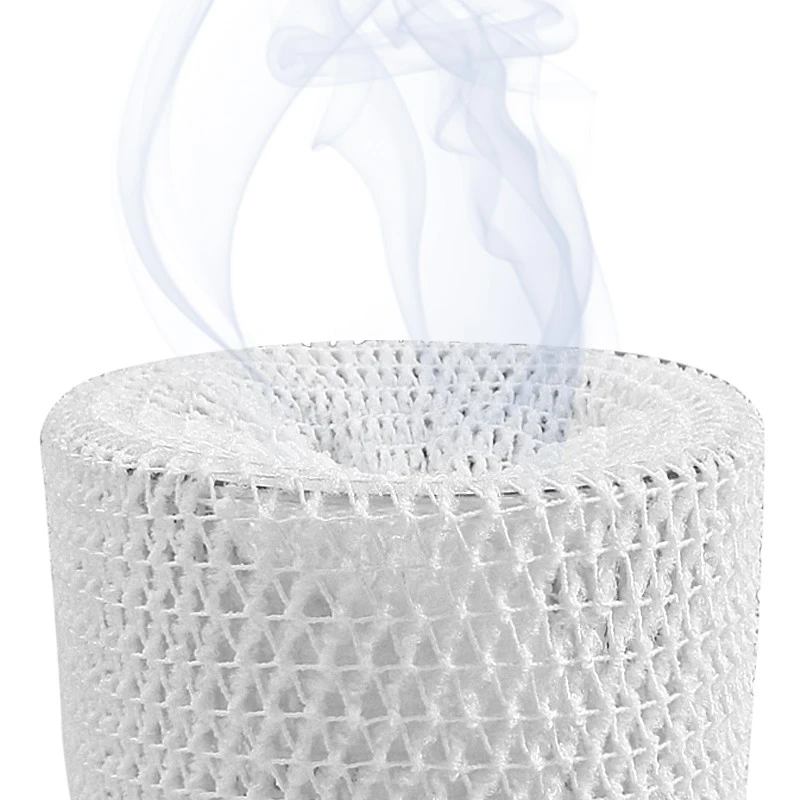
- Krinkle Gauze Roll: The Krinkle Gauze Roll is another good option. It has a soft texture that won't scratch the sensitive skin around the eye. You can learn more details about it Krinkle Gauze Roll. It's absorbent, which helps keep the wound dry and clean.
- Wrinkled Elastic Gauze Bandage: This bandage combines elasticity with absorbency. It can adapt to the movement of the eye area while providing good protection. Check it out Wrinkled Elastic Gauze Bandage.
Step-by-Step Guide on Using a Gauze Bandage on a Wound Near the Eye
Step 1: Wash Your Hands
Before you even think about touching the wound or the bandage, wash your hands thoroughly with soap and water. This helps prevent any bacteria from getting into the wound and causing an infection. Dry your hands with a clean towel.
Step 2: Clean the Wound
Gently clean the wound near the eye with a mild antiseptic solution. Use a clean cotton ball or pad to apply the solution. Be really careful not to get any of the solution in the eye. If the wound is bleeding, apply gentle pressure with a clean cloth until the bleeding stops.
Step 3: Choose the Right Bandage
Based on the size and location of the wound, pick the appropriate gauze bandage. If it's a small wound, a tubular gauze bandage might be the best choice. For a larger area, a krinkle gauze roll or a wrinkled elastic gauze bandage could work better.
Step 4: Prepare the Bandage
If you're using a tubular gauze bandage, stretch it a bit to make it easier to apply. If it's a roll, cut it to the right length. Make sure the bandage is clean and free of any debris.
Step 5: Apply the Bandage
- For Tubular Gauze Bandage: Carefully place the bandage over the wound. Start from one side of the eye and gently pull it over the wound, making sure it covers the area completely. Adjust it so that it fits snugly but doesn't put too much pressure on the eye.
- For Krinkle Gauze Roll or Wrinkled Elastic Gauze Bandage: Unroll the bandage and place it over the wound. Start at one end and wrap it around the eye area, overlapping the layers slightly. Make sure the bandage is not too tight, as this can restrict blood flow and cause discomfort.
Step 6: Secure the Bandage
If the bandage doesn't stick on its own, you can use medical tape to secure the edges. Make sure the tape is gentle on the skin and doesn't pull too hard when you remove it later.

Step 7: Check for Comfort
After applying the bandage, check if the person is comfortable. Ask them if they can see clearly and if the bandage is causing any pain or irritation. If there are any issues, adjust the bandage accordingly.
Tips for Maintaining the Bandage
- Keep it Clean: Make sure the bandage stays clean. If it gets dirty or wet, change it as soon as possible.
- Monitor the Wound: Check the wound regularly for signs of infection, such as redness, swelling, or pus. If you notice any of these symptoms, seek medical attention immediately.
- Change the Bandage Regularly: Follow the doctor's advice on how often to change the bandage. Usually, it's a good idea to change it at least once a day.
When to Seek Professional Help
- Severe Bleeding: If the bleeding doesn't stop after applying pressure for a few minutes, go to the emergency room.
- Vision Problems: If the person experiences any changes in vision, such as blurry vision or double vision, seek medical help right away.
- Signs of Infection: As mentioned earlier, if you notice any signs of infection, don't hesitate to see a doctor.
Why Choose Our Gauze Bandages
Our gauze bandages are made from high-quality materials. They're soft, absorbent, and gentle on the skin. We've got a wide range of options to suit different needs, whether it's a small cut or a larger wound. Our products are also affordable, making them a great choice for both individuals and medical facilities.
Contact Us for Purchasing
If you're interested in our gauze bandages, whether you're a hospital, a clinic, or an individual looking for a reliable supply, we'd love to hear from you. We can offer you great deals and ensure timely delivery. Just reach out to us, and we'll be happy to discuss your requirements and help you find the right products.
References
- American Academy of Ophthalmology. "Eye Injury First Aid."
- Mayo Clinic. "Wound Care: How to Treat a Wound."