

Hey there! As a shoe cover supplier, I've seen firsthand how crucial it is to pick the right shoe covers for different situations. Whether you're in a medical setting, a construction site, or just want to keep your home clean, choosing the appropriate shoe covers can make a world of difference. In this blog, I'll share some tips on how to choose the right shoe covers that suit your needs.
Consider the Purpose
The first thing you need to think about is the purpose of the shoe covers. Different environments and activities require different types of protection.
Medical and Cleanroom Settings
In medical facilities or cleanrooms, hygiene is of utmost importance. You'll want shoe covers that are designed to prevent the spread of germs and contaminants. Disposable Non - woven Shoe Covers are a popular choice here. They're lightweight, breathable, and offer a good level of protection against dust, dirt, and some liquid splashes. Non - woven materials are also easy to dispose of after use, which helps maintain a clean and sanitary environment.

Construction and Industrial Sites
Construction sites are rough on shoe covers. You need something that can withstand heavy wear and tear, as well as protect against sharp objects, chemicals, and water. Waterproof Shoe Covers are a must - have in these situations. They're made from durable materials like rubber or heavy - duty plastics that can resist punctures and keep your feet dry in wet conditions. These shoe covers also often come with reinforced soles for extra protection.
Home and Everyday Use
For keeping your home clean, especially when you have guests or are doing some light indoor work, simple PE Shoe Covers are great. They're inexpensive, easy to slip on and off, and can prevent dirt and debris from being tracked into your home.
Material Matters
The material of the shoe covers plays a significant role in their performance.
Polyethylene (PE)
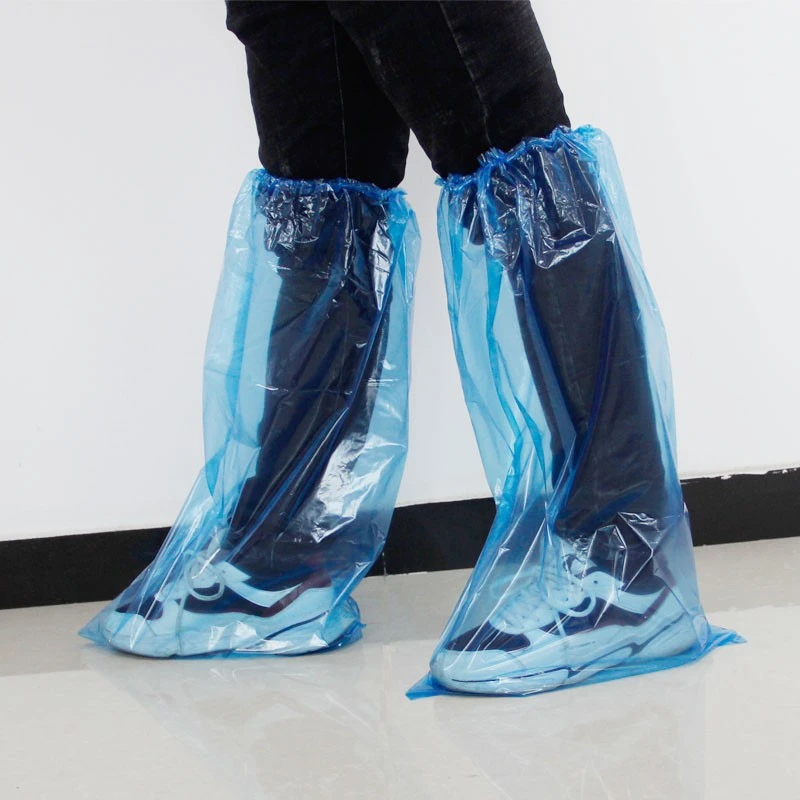
PE shoe covers are made from a type of plastic. They're lightweight, transparent, and very affordable. They're perfect for short - term use and light protection. However, they're not very durable and can tear easily if you're moving around a lot or in a rough environment.
Non - woven Fabric
Non - woven shoe covers are made from fibers that are bonded together rather than woven. They offer better breathability compared to PE shoe covers and are more resistant to tearing. They're commonly used in medical and cleanroom settings because they can trap dust and particles effectively.
Rubber and PVC
Rubber and PVC shoe covers are heavy - duty options. They're waterproof, resistant to chemicals, and very durable. They're ideal for industrial and outdoor applications where you need maximum protection. But they can be a bit bulky and less breathable, so they might not be the best choice for long - term, indoor use.
Size and Fit
Getting the right size and fit is essential for comfort and functionality. Shoe covers that are too small will be tight and uncomfortable, and they might not provide full coverage. On the other hand, shoe covers that are too large can slip off easily, leaving your feet exposed.
Most shoe covers come in different sizes, usually labeled as small, medium, large, and extra - large. Make sure to measure your feet or refer to the size chart provided by the manufacturer. Some shoe covers also have elastic bands around the opening to ensure a snug fit.
Additional Features
Some shoe covers come with extra features that can enhance their performance.
Anti - Slip Soles
If you're working in an environment where there's a risk of slipping, such as a wet floor or a construction site, shoe covers with anti - slip soles are a great option. They provide better traction and reduce the chances of accidents.
Elastic Ankles
Elastic ankles help keep the shoe covers in place and prevent them from slipping down. This is especially useful when you're on the move and need to maintain full coverage.
Reinforced Toes and Heels
In high - impact environments, shoe covers with reinforced toes and heels can offer extra protection. They can withstand more wear and tear and last longer.
Cost and Quantity
Cost is always a factor when choosing shoe covers. You'll want to find a balance between quality and price. Disposable shoe covers are generally more affordable, but if you need a long - lasting option, you might have to invest a bit more in durable materials.
Also, consider how many shoe covers you'll need. If you're using them for a large - scale operation, buying in bulk can save you money in the long run.
Making the Right Choice
To sum it up, when choosing the right shoe covers, you need to:
- Determine the purpose and environment where you'll be using them.
- Consider the material based on the level of protection and durability you need.
- Ensure the right size and fit for comfort and functionality.
- Look for additional features that can enhance performance.
- Keep cost and quantity in mind.
If you're still not sure which shoe covers are right for you, don't hesitate to reach out. As a shoe cover supplier, I'm here to help you make the best decision for your specific needs. Whether you need a small quantity for personal use or a large order for your business, we can provide you with high - quality shoe covers at competitive prices.
If you're interested in purchasing shoe covers or have any questions, feel free to start a conversation with us. We're eager to discuss your requirements and find the perfect shoe cover solution for you.
References
- General knowledge of shoe cover materials and applications in various industries.
- Experience as a shoe cover supplier in dealing with different customer needs.