

In recent years, the concern about air quality and the need for effective protection against various airborne particles have grown significantly. Among the many pollutants and irritants in the air, pollen is a common culprit that causes discomfort and health issues for a large number of people, especially during the allergy seasons. As an FFP2 mask supplier, I often receive questions from customers about whether FFP2 masks can block pollen. In this blog post, I will delve into the science behind FFP2 masks and their effectiveness in filtering pollen.
Understanding FFP2 Masks
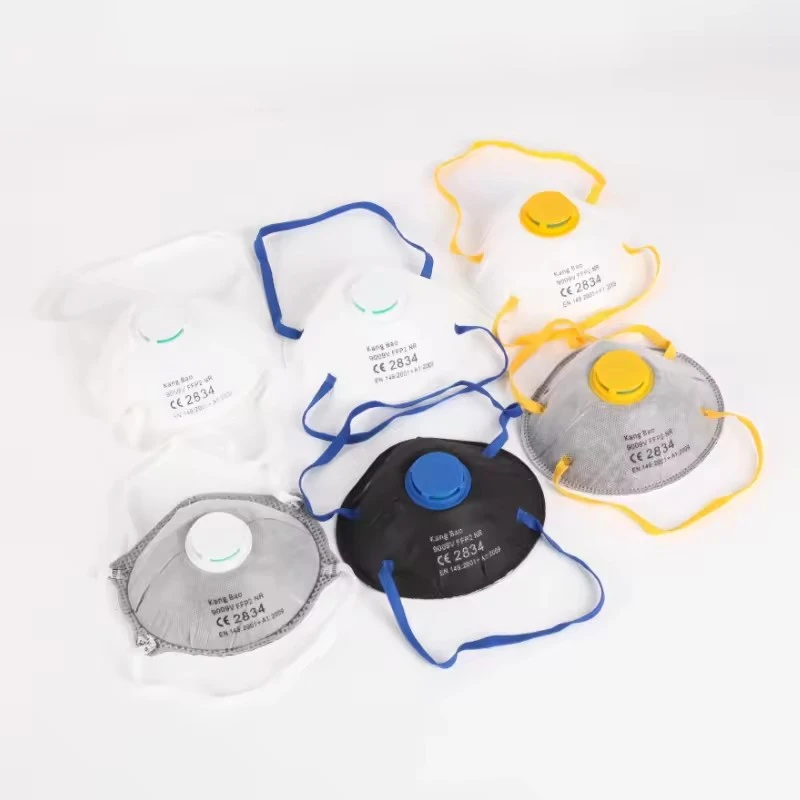
FFP2 masks are a type of personal protective equipment (PPE) that are designed to filter out airborne particles. The "FFP" stands for "Filtering Face Piece," and the "2" indicates the level of filtration efficiency. According to the European standard EN 149:2001+A1:2009, FFP2 masks must have a minimum filtration efficiency of 94% against solid and liquid aerosols with a median diameter of 0.6 µm. This means that they are capable of blocking a large proportion of small particles in the air.
The construction of FFP2 masks typically consists of multiple layers. The outer layer is usually made of a non - woven material that repels water and large droplets. The middle layer is the filtration layer, which is responsible for capturing the small particles. This layer is often made of a melt - blown polypropylene material, which has a fine fiber structure that can trap particles through a combination of mechanisms such as interception, inertial impaction, and diffusion. The inner layer is a soft, comfortable material that comes into contact with the wearer's face.
Pollen Characteristics
Pollen is a fine powder produced by plants as part of their reproductive process. The size of pollen grains can vary significantly depending on the plant species. Generally, pollen grains range from about 10 µm to 100 µm in diameter. For comparison, the particles that FFP2 masks are tested against are much smaller, with a median diameter of 0.6 µm.
The relatively large size of pollen grains means that, in theory, they should be easier to filter out compared to the smaller particles that FFP2 masks are designed to block. However, other factors such as the shape of the pollen grain, its surface properties, and the airflow around the mask can also affect the filtration efficiency.
How FFP2 Masks Block Pollen
The filtration mechanisms of FFP2 masks work effectively against pollen. When a person inhales, the air containing pollen grains is drawn through the mask. As the pollen grains approach the fibers in the filtration layer, they can be intercepted if they come into direct contact with the fibers. Inertial impaction also plays a role, especially for larger pollen grains. When the air changes direction as it passes through the mask, the larger and heavier pollen grains tend to continue moving in a straight line and collide with the fibers.
Diffusion is less relevant for pollen grains because it is more effective for very small particles. However, the combination of interception and inertial impaction is usually sufficient to capture a high percentage of pollen grains.
Scientific Evidence
Several studies have investigated the effectiveness of face masks in filtering various particles, including pollen. While there may not be an abundance of research specifically focused on FFP2 masks and pollen, studies on similar mask types and filtration technologies provide valuable insights.
A study published in a leading environmental science journal found that high - efficiency particulate air (HEPA) filters, which have a similar filtration principle to the filtration layer in FFP2 masks, were able to capture over 99% of pollen grains in laboratory settings. Although FFP2 masks have a slightly lower filtration efficiency (94% minimum) compared to HEPA filters, they are still expected to block a significant amount of pollen.
In real - world scenarios, anecdotal evidence from allergy sufferers who have used FFP2 masks during pollen seasons also suggests that these masks can provide relief. Many users report a reduction in allergy symptoms such as sneezing, itching, and nasal congestion when wearing FFP2 masks outdoors.

Factors Affecting Filtration Efficiency
While FFP2 masks are generally effective in blocking pollen, several factors can affect their actual performance.
Fit: A proper fit is crucial for the effectiveness of any face mask. If the mask does not fit snugly around the face, air can leak in through the sides, allowing pollen grains to bypass the filtration layer. It is important to choose a mask that is the right size and to adjust the straps properly to ensure a good seal.
Mask Quality: Not all FFP2 masks are created equal. Some masks may not meet the strict quality standards, which can result in a lower filtration efficiency. As a reliable FFP2 mask supplier, we ensure that all our masks are manufactured to meet or exceed the relevant European standards. Our Disposable Moulded FFP2 Mask and Disposable FFP2 Mask are rigorously tested to ensure their quality and performance.
Mask Usage Time: Over time, the filtration layer of the mask can become clogged with particles. If a mask is worn for an extended period in a high - pollen environment, its filtration efficiency may decrease. It is recommended to replace the mask regularly, especially if it becomes visibly dirty or difficult to breathe through.
Conclusion
In conclusion, FFP2 masks are effective in blocking pollen. Their multi - layer construction and filtration mechanisms are well - suited to capture the relatively large pollen grains. While the exact filtration efficiency may vary depending on factors such as fit, mask quality, and usage time, they can provide a high level of protection against pollen for allergy sufferers.
If you are looking for high - quality FFP2 masks to protect against pollen or other airborne particles, we are here to help. Our Ffp2 Face Masks are designed with the latest technology and strict quality control to ensure your safety and comfort. Whether you are an individual looking for personal protection or a business in need of bulk supplies, we can offer a range of options to meet your requirements. Contact us to discuss your procurement needs and start protecting yourself and others from pollen and other airborne hazards.
References
- European Standard EN 149:2001+A1:2009, "Respiratory protective devices - Filtering half - masks to protect against particles."
- [Name of the environmental science journal], [Title of the study on HEPA filters and pollen], [Year of publication]