

Can gauze swabs be used for applying antiseptic?

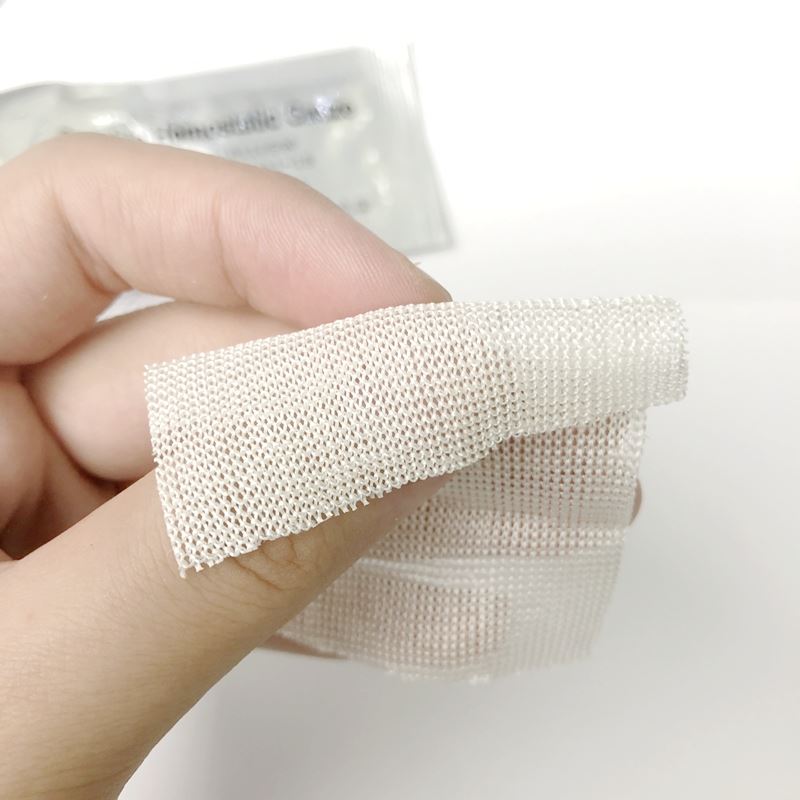
In the realm of wound care, the use of antiseptics is a common practice to prevent infection and promote healing. Gauze swabs, being a staple in medical supplies, often come into consideration for the application of these antiseptics. As a reliable gauze swab supplier, I've had numerous discussions with healthcare professionals and patients alike about the suitability of using gauze swabs for this purpose. In this blog, I'll delve into the science behind it, the advantages and potential drawbacks, and provide some practical insights.
The Science of Antiseptic Application
Antiseptics are substances that inhibit the growth and development of microorganisms on living tissues. They play a crucial role in wound management by reducing the risk of infection, which can delay healing and cause complications. When applying an antiseptic, it's essential to ensure that it reaches the wound area effectively while minimizing any potential harm to the surrounding healthy tissue.
Gauze swabs are made from a porous material, typically cotton or a cotton blend. This porosity allows them to absorb and hold liquids, making them an ideal candidate for applying antiseptics. When dipped in an antiseptic solution, the gauze swab can carry the liquid to the wound site, ensuring a controlled and even distribution.
Advantages of Using Gauze Swabs for Antiseptic Application
- Controlled Application: Gauze swabs provide a way to apply antiseptics precisely to the affected area. This is particularly important when dealing with small or delicate wounds, as it helps to avoid over - application to healthy tissue.
- Absorbency: The absorbent nature of gauze swabs allows them to soak up excess antiseptic solution, preventing it from dripping onto other parts of the body or the surrounding environment. This is not only hygienic but also helps to conserve the antiseptic.
- Gentle on Skin: Compared to some other applicators, such as cotton balls or swabs with hard tips, gauze swabs are relatively gentle on the skin. They can be used to clean and apply antiseptics without causing abrasion or irritation.
- Versatility: Gauze swabs can be used with a variety of antiseptic solutions, including iodine - based antiseptics, hydrogen peroxide, and alcohol - based solutions. This makes them a versatile tool in wound care.
Potential Drawbacks
- Fiber Shedding: In some cases, low - quality gauze swabs may shed fibers onto the wound. These fibers can become trapped in the wound and potentially cause an inflammatory response. However, high - quality Sterile Gauze Swabs are designed to minimize fiber shedding, so it's important to choose a reliable supplier.
- Limited Reach: For deep or narrow wounds, gauze swabs may not be able to reach all areas effectively. In such cases, other applicators, such as syringes or specialized wound - cleaning tools, may be more appropriate.
- Risk of Cross - Contamination: If not used properly, gauze swabs can become a source of cross - contamination. For example, if a used swab is dipped back into the antiseptic solution, it can introduce bacteria from the wound into the solution, potentially rendering it ineffective.
Choosing the Right Gauze Swab for Antiseptic Application
When selecting gauze swabs for applying antiseptics, several factors should be considered:
- Sterility: Sterile gauze swabs are essential to prevent the introduction of additional bacteria into the wound. Make sure to choose swabs that are individually packaged and labeled as sterile.
- Quality of Material: Look for gauze swabs made from high - quality cotton or a blend that minimizes fiber shedding. This will reduce the risk of foreign material in the wound.
- Size and Shape: The size and shape of the gauze swab should be appropriate for the wound. For small wounds, smaller swabs may be more suitable, while larger wounds may require larger swabs for efficient application.
Specialized Gauze Swabs for Antiseptic Use
There are also specialized gauze swabs available that are pre - impregnated with antiseptics. For example, Iodine Gauze is a type of gauze swab that has been treated with iodine, a powerful antiseptic. These pre - impregnated swabs offer the convenience of having the antiseptic already on the swab, eliminating the need to dip it into a separate solution.
Another specialized option is Hemostatic Gauze. In addition to its ability to stop bleeding, it can also be used to apply antiseptics to the wound area, providing dual functionality in wound care.
Practical Tips for Using Gauze Swabs with Antiseptics
- Proper Handling: Always wash your hands thoroughly before handling the gauze swab and the antiseptic solution. Use clean forceps or gloves to pick up the swab to avoid contamination.
- Single - Use: Use a new gauze swab for each application. Avoid re - using a swab, as this can increase the risk of cross - contamination.
- Storage: Store the gauze swabs in a cool, dry place to maintain their sterility and quality. Follow the manufacturer's instructions regarding storage conditions.
Conclusion
In conclusion, gauze swabs can be an effective tool for applying antiseptics in wound care. They offer several advantages, such as controlled application, absorbency, and versatility. However, it's important to be aware of the potential drawbacks, such as fiber shedding and cross - contamination, and take appropriate precautions. By choosing high - quality, sterile gauze swabs and following proper handling procedures, you can ensure safe and effective antiseptic application.
If you're in the market for high - quality gauze swabs for antiseptic application or other wound - care needs, I invite you to contact us for a detailed discussion. We're committed to providing the best products and solutions to meet your requirements. Our team of experts is ready to assist you in making the right choice for your wound - care applications.
References
- "Wound Care Essentials: Practice Principles" by Nancy E. McCulloch and Carol M. Kloth.
- "Textbook of Wound Management" by Robert S. Kirsner and Joseph A. Eaglstein.