

Hey there! As a surgical mask supplier, I've always been fascinated by the history of these simple yet incredibly important pieces of equipment. So, let's take a journey through time and explore how surgical masks came to be.
Early Beginnings
Believe it or not, the concept of protecting the face during medical procedures dates back centuries. In ancient times, doctors and healers used various materials to cover their mouths and noses while treating patients. These early "masks" were often made from natural fibers like silk, cotton, or linen and were primarily used to prevent the spread of bad odors and airborne particles.
One of the earliest recorded uses of a mask-like device was in the 16th century, during the bubonic plague. Italian physician Girolamo Fracastoro recommended that doctors wear a beak-shaped mask filled with herbs and spices to protect themselves from the "miasma" or bad air that was believed to carry the disease. While this theory was later disproven, it shows that people were already thinking about ways to protect themselves from infectious agents.
The Birth of Modern Surgical Masks
The modern surgical mask as we know it today was developed in the late 19th century. In 1897, German surgeon Mikulicz-Radecki introduced a simple mask made of two layers of gauze to prevent the spread of bacteria during surgical procedures. This was a significant breakthrough, as it was the first time that a mask was specifically designed to protect patients from the surgeon's respiratory droplets.
Over the next few decades, surgical masks continued to evolve. In 1910, American surgeon George Crile developed a more sophisticated mask that included a wire frame to keep the mask away from the face and a filter to trap bacteria. This design was widely adopted by surgeons around the world and became the standard for surgical masks for many years.
World War I and the Flu Pandemic
The use of surgical masks became even more widespread during World War I. Soldiers on the front lines were at high risk of contracting infectious diseases, and masks were issued to help prevent the spread of germs. In addition, the 1918 flu pandemic, which killed millions of people around the world, highlighted the importance of wearing masks to prevent the spread of respiratory illnesses.

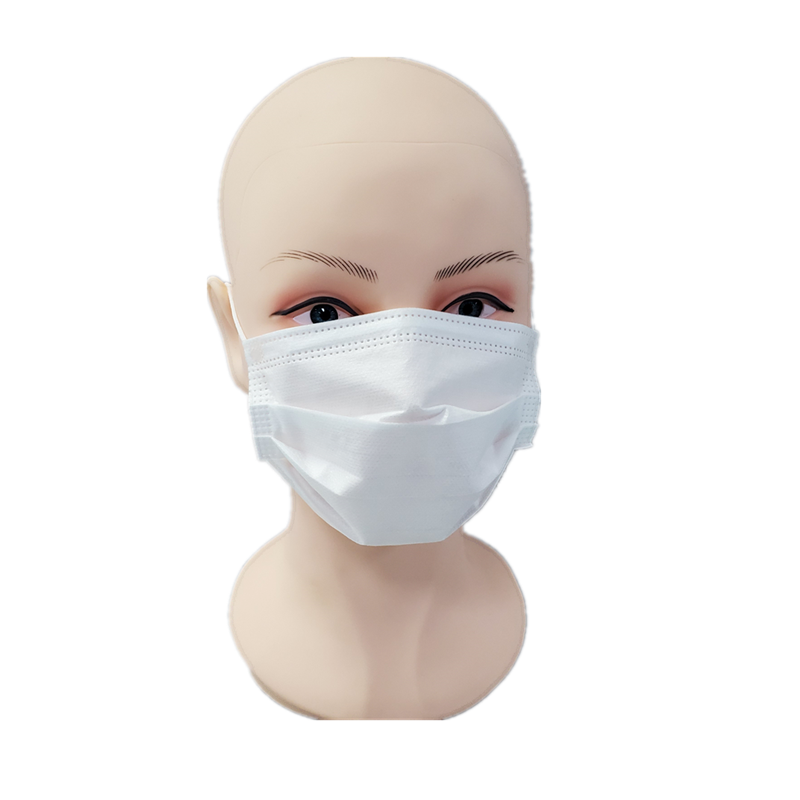
During this time, surgical masks were also used in other settings, such as hospitals and clinics. They became an essential part of the medical toolkit and were used to protect patients from a variety of infectious diseases, including tuberculosis, pneumonia, and influenza.
The Post-War Era and Beyond
After World War I, the use of surgical masks continued to grow. In the 1930s, the development of synthetic materials, such as rayon and nylon, led to the production of more comfortable and effective masks. These new materials were also more durable and could be washed and reused, making them more cost-effective.
In the 1960s and 1970s, the focus of surgical mask development shifted to improving the filtration efficiency of the masks. New technologies, such as electrostatic charging, were used to create masks that could trap smaller particles and provide better protection against bacteria and viruses.
Today, surgical masks are used in a wide range of settings, including hospitals, clinics, dental offices, and laboratories. They are also commonly worn by healthcare workers, patients, and the general public to prevent the spread of infectious diseases.
Types of Surgical Masks
There are several different types of surgical masks available on the market today. The most common type is the disposable surgical mask, which is made of a non-woven material and is designed to be worn once and then discarded. These masks are available in a variety of sizes and styles, including Disposable Adult Mask and Small Mask.
Another type of surgical mask is the reusable surgical mask, which is made of a washable material and can be used multiple times. These masks are often more expensive than disposable masks, but they are more environmentally friendly and can be a good option for healthcare workers who need to wear masks on a regular basis.
In addition to traditional surgical masks, there are also specialty masks available for specific applications. For example, Black Surgical Mask are often used in cosmetic surgery to minimize the appearance of the mask on the patient's face.
The COVID-19 Pandemic
The COVID-19 pandemic has had a significant impact on the demand for surgical masks. In early 2020, as the virus began to spread around the world, there was a sudden surge in demand for masks, and many countries experienced shortages.
To meet the increased demand, manufacturers around the world ramped up production of surgical masks. In addition, governments and health organizations began to recommend that the general public wear masks to prevent the spread of the virus. This led to a widespread adoption of mask-wearing in many countries, and surgical masks became a common sight in public places.
Conclusion
As you can see, the history of surgical masks is a long and fascinating one. From their humble beginnings as simple gauze masks to the high-tech masks we use today, surgical masks have played an important role in protecting people from infectious diseases for over a century.
At our company, we are proud to be a leading supplier of surgical masks. We offer a wide range of high-quality masks, including Disposable Adult Mask, Small Mask, and Black Surgical Mask. Our masks are made from the highest quality materials and are designed to provide maximum protection and comfort.
If you're interested in purchasing surgical masks for your business or organization, please don't hesitate to contact us. We'd be happy to discuss your needs and provide you with a quote. Let's work together to keep people safe and healthy!
References
- Fracastoro, G. (1546). De contagione et contagiosis morbis.
- Mikulicz-Radecki, J. (1897). Über die Asepsis der Hände und die sterilisirten Handschuhe bei Operationen.
- Crile, G. (1910). The prevention of infection in wounds.
- History of Surgical Masks. (n.d.). Retrieved from https://www.sciencedirect.com/topics/medicine-and-dentistry/surgical-mask
- The 1918 Flu Pandemic. (n.d.). Retrieved from https://www.cdc.gov/flu/pandemic-resources/1918-commemoration/index.htm