

Hey there! As a cotton ball supplier, I often get asked about how to properly dispose of used cotton balls. It might seem like a no - brainer, but there are actually quite a few things to consider, depending on how the cotton balls were used.
Let's start with the most common scenario: using cotton balls for everyday personal hygiene. Whether you're removing makeup, applying skincare products, or cleaning a small cut, these cotton balls are usually just soaked in water, lotion, or a bit of blood from a minor scratch. In this case, disposing of them is pretty straightforward. You can simply toss them in the regular trash bin. Since they're not contaminated with anything harmful, there's no need for special handling.
But what if the cotton balls were used for medical purposes? Say you've been using them to clean a wound or apply antiseptic. These cotton balls are likely to be contaminated with bodily fluids, which can carry bacteria and other pathogens. In this situation, it's crucial to handle them with care to prevent the spread of infection.
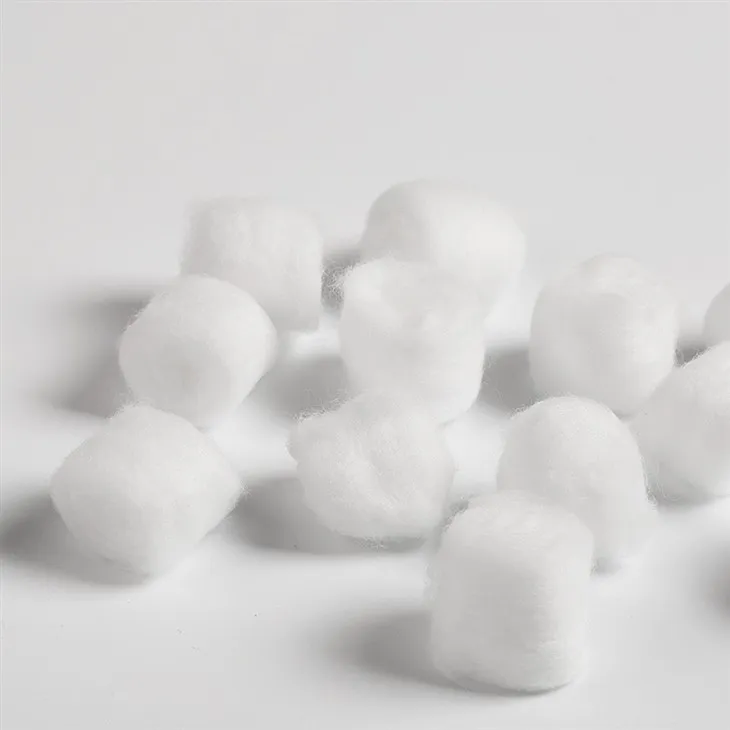
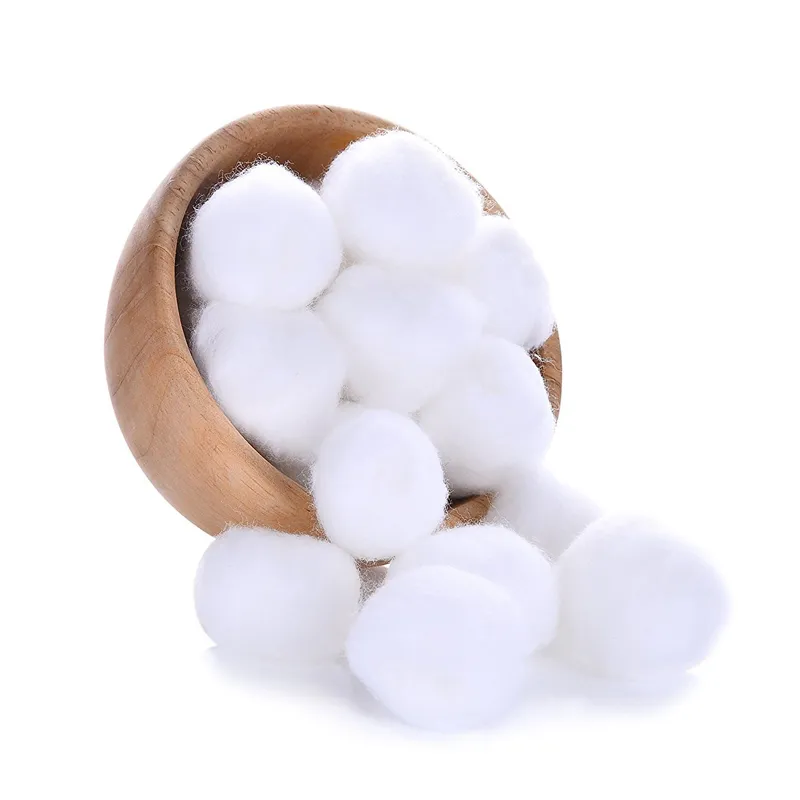
One option is to seal the used cotton balls in a plastic bag before throwing them in the trash. This helps contain any potential contaminants and reduces the risk of them coming into contact with other waste or people. If you're at home and dealing with a small amount of medical waste like this, a regular zip - lock bag will do the trick.
However, if you're in a healthcare setting, such as a doctor's office or a dental clinic, the rules are a bit more strict. Medical waste disposal is regulated to ensure public health and safety. In these places, used cotton balls that are contaminated with blood, saliva, or other body fluids are usually considered biohazardous waste.
Healthcare facilities typically have special containers for biohazardous waste. These containers are marked with a biohazard symbol and are designed to be leak - proof and puncture - resistant. The used cotton balls are placed in these containers, and then the waste is collected by a licensed medical waste disposal company. These companies are trained to handle and dispose of biohazardous materials safely, often using methods like incineration to destroy the pathogens.
Now, let's talk about cotton balls used in the dental industry. Dental Cotton Balls are commonly used during dental procedures to absorb saliva, blood, and other fluids in the mouth. After a dental treatment, these cotton balls are likely to be soaked in bodily fluids and potentially contain bacteria from the patient's mouth.
Dental offices follow strict protocols for disposing of these used cotton balls. They are usually placed in a biohazard waste container right away. This not only protects the dental staff but also prevents the spread of any infectious diseases. Some dental practices may also use a chemical disinfectant to treat the waste before it's collected for disposal.
Another type of cotton balls we supply is Sterile Cotton Balls. These are used in situations where a high level of cleanliness is required, such as in surgical procedures or when applying medications to open wounds. Once they've been used, the same principles of proper disposal apply. If they're contaminated with bodily fluids, they should be treated as biohazardous waste.
Absorbent Cotton Balls are also popular. They're great for a variety of uses, from personal care to industrial applications. When it comes to disposal, again, it depends on how they were used. If they're just dirty from normal use, like wiping up a spill, they can go in the regular trash. But if they've been in contact with chemicals or other hazardous substances, they need to be disposed of according to the regulations for that particular type of waste.
It's also important to note that environmental concerns are becoming more and more important these days. Cotton is a natural fiber, but the production and disposal of cotton balls still have an impact on the environment. To reduce this impact, some people are looking for more sustainable ways to use and dispose of cotton balls.
One option is to reuse cotton balls when possible. For example, if a cotton ball has only been used to apply a bit of water or a non - contaminated lotion, you can wash it and use it again. This not only saves money but also reduces waste. However, it's important to make sure that the cotton ball is thoroughly cleaned and dried before reuse to prevent the growth of bacteria.
Another way to be more environmentally friendly is to choose cotton balls made from organic cotton. Organic cotton is grown without the use of pesticides and synthetic fertilizers, which is better for the environment and for the people who work in the cotton fields.
In conclusion, proper disposal of used cotton balls is essential for public health, safety, and environmental protection. Whether you're an individual using cotton balls at home or a business in the healthcare or beauty industry, understanding the right way to dispose of them is crucial.
If you're interested in purchasing high - quality cotton balls for your personal or business needs, we're here to help. We offer a wide range of cotton balls, including Sterile Cotton Balls, Dental Cotton Balls, and Absorbent Cotton Balls. Contact us to start a procurement discussion and find the perfect cotton ball solution for you.
References
- Centers for Disease Control and Prevention (CDC). Guidelines for the management of medical waste.
- Environmental Protection Agency (EPA). Regulations on waste disposal.