

Determining whether a pad is leaking is crucial for both users and suppliers like me. As a pads supplier, understanding the signs of leakage and being able to communicate this effectively to customers is essential. In this blog, I'll share some insights on how to tell if a pad is leaking and offer some solutions to prevent it.
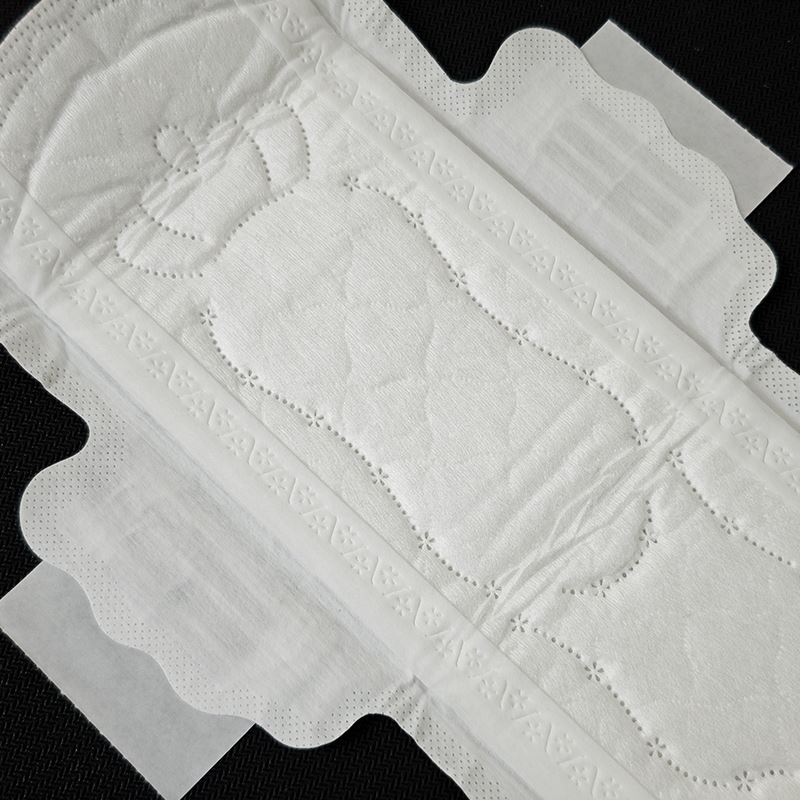
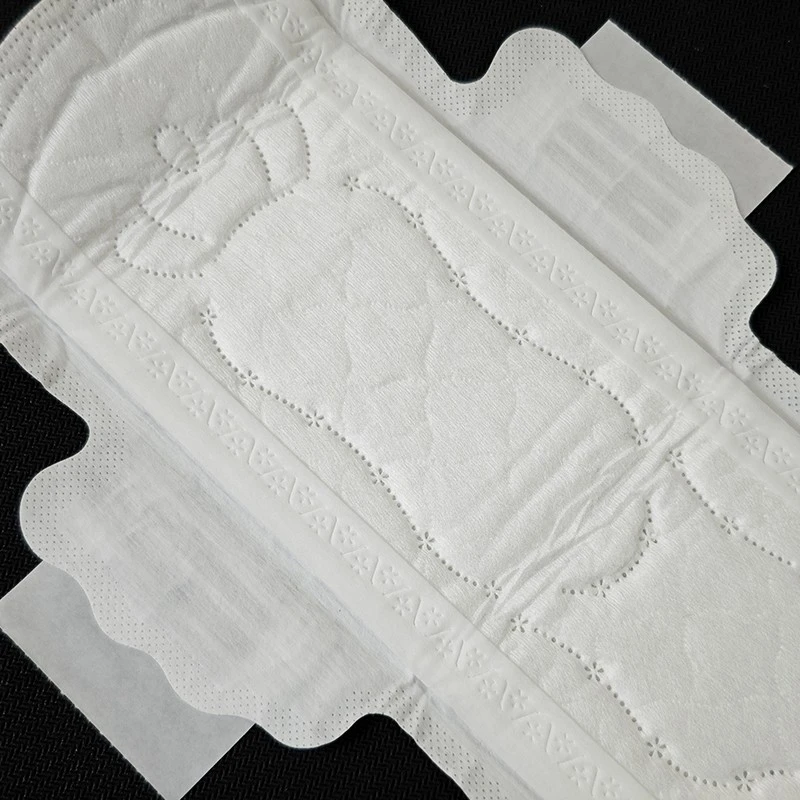
Visual Inspection
The most straightforward way to know if a pad is leaking is through visual inspection. When a user removes their underwear, they can check for any visible signs of fluid outside the edges of the pad. If there are stains on the underwear, especially around the edges or back of the pad, it's a clear indication of leakage.
For instance, if a user is wearing Ultra Thin Panty Liners, which are designed for light protection, and they notice significant stains on their underwear, it could mean that the liner is not absorbing the fluid as effectively as it should. These liners are great for light discharge, but if the flow is heavier than expected, leakage may occur.
Feeling of Wetness
Another tell - tale sign is the feeling of wetness. A user may experience a damp or wet sensation in their underwear, even if they haven't visually detected any leakage yet. This can be particularly uncomfortable and may lead to skin irritation over time.
For example, when using Dame Period Pads, which are designed to handle moderate to heavy flows, if the user constantly feels wet, it could mean that the pad is either saturated or not properly positioned. The pad should fit snugly against the body to prevent fluid from seeping out.
Odor
An unpleasant odor can also be a sign of leakage. When fluid escapes the pad and comes into contact with the underwear and the air, it can start to smell. This is especially true if the fluid has been sitting for a while.
If a user notices an unusual smell coming from their underwear while using Pads For Sensitive Skin, it might be because the pad is not containing the fluid properly. These pads are formulated to be gentle on the skin, but if they are leaking, the risk of skin irritation and odor increases.
Types of Leakage
There are different types of leakage that can occur, and understanding them can help in finding solutions.
Side Leakage
Side leakage happens when fluid escapes from the sides of the pad. This can be due to the pad not being wide enough for the user's body or not being properly centered in the underwear. For example, if a user has a wider hip structure and is using a narrow - width pad, side leakage is more likely to occur.
Back Leakage
Back leakage is common, especially during sleep or when a user is sitting or lying down for an extended period. Gravity can cause the fluid to pool at the back of the pad, and if the pad doesn't have enough coverage or absorbency in that area, it can leak.
Front Leakage
Front leakage can occur when the pad is not positioned correctly or when there is a sudden gush of fluid. If the pad is too far back in the underwear, the front may not be able to catch the fluid, leading to leakage.
Preventing Leakage
As a pads supplier, I understand the importance of providing products that prevent leakage. Here are some tips that I often share with my customers:
Choose the Right Pad
Selecting the right pad for the flow level is crucial. For light flows, Ultra Thin Panty Liners are a great option. For moderate to heavy flows, Dame Period Pads offer better protection. And for those with sensitive skin, Pads For Sensitive Skin provide both comfort and absorbency.
Proper Placement
Ensuring that the pad is properly centered in the underwear is essential. The pad should cover the entire area where fluid is likely to be discharged. Most pads have markings or guides to help with proper placement.
Change Regularly
Changing the pad regularly is one of the most effective ways to prevent leakage. Even the most absorbent pads have a limit, and over - saturation can lead to leakage. I usually recommend changing pads every 4 - 6 hours, depending on the flow level.
Use Additional Protection
For users who are prone to leakage, using additional protection such as period panties or a panty liner in addition to the main pad can provide an extra layer of security.
Importance of Quality Control
As a pads supplier, I take quality control very seriously. Before my products reach the market, they undergo rigorous testing to ensure that they meet high standards of absorbency and leakage prevention.
We test the pads under different conditions, including simulating different flow levels and body positions. This helps us to identify any potential issues and make improvements to our products.
Customer Feedback
Customer feedback is invaluable to me as a supplier. I encourage my customers to share their experiences, including any issues with leakage. By listening to their feedback, I can make necessary adjustments to my products and improve their performance.
If you have any questions about our pads or need help in choosing the right product to prevent leakage, I'm here to assist you. Whether you're a retailer looking to stock our products or an individual interested in purchasing, I'm open to discussing your needs and requirements. Reach out to me, and we can start a conversation about how our pads can meet your expectations.
References
- Smith, J. (2020). Hygiene Products and Absorbency Testing. Journal of Hygiene Science, 15(2), 45 - 52.
- Brown, A. (2019). Preventing Leakage in Feminine Hygiene Products. International Journal of Feminine Health, 8(3), 67 - 73.