

Hey there! As a surgical cap supplier, I've been thinking a lot about whether surgical caps need to be worn in the sterile corridor. It's a topic that's been debated in the medical community for a while, and I want to share my thoughts based on what I've learned and what my customers have told me.
First off, let's talk about what a sterile corridor is. In a hospital or medical facility, a sterile corridor is an area where strict infection control measures are in place. It's usually used to transport patients, equipment, and supplies between operating rooms, intensive care units, and other critical areas. The goal is to minimize the risk of contamination and keep the environment as clean as possible.
So, do surgical caps need to be worn in the sterile corridor? Well, the short answer is yes. Here's why.
1. Hair and Skin Flakes
Our hair and skin are natural sources of bacteria and other microorganisms. Even if you've just washed your hair, there are still tiny particles that can shed and float around in the air. When you walk through a sterile corridor, these particles can easily land on surgical equipment, patient beds, or even the patients themselves. Wearing a surgical cap helps to contain your hair and prevent these particles from spreading.
For example, if a doctor or nurse is walking through the sterile corridor on their way to an operating room, and they're not wearing a surgical cap, their loose hair could release bacteria that might contaminate the surgical instruments. This could potentially lead to surgical site infections, which are a major concern in healthcare.
2. Standardization and Hygiene Protocol
Medical facilities have strict hygiene protocols in place to ensure the safety of patients and staff. Wearing surgical caps in the sterile corridor is part of these protocols. By following these rules, everyone in the facility is on the same page when it comes to infection control.
Think of it like a team sport. If one player doesn't follow the rules, it can mess up the whole game. In a medical setting, not wearing a surgical cap in the sterile corridor is like breaking the rules of the game. It can compromise the overall hygiene and safety of the environment.
3. Patient Perception
Patients also play a role in this. When patients see medical staff wearing surgical caps in the sterile corridor, it gives them a sense of confidence and security. They know that the healthcare providers are taking all the necessary precautions to keep them safe.
Imagine you're a patient in a hospital, and you see a doctor walking through the corridor with their hair loose. You might start to wonder if they're really following the proper hygiene procedures. On the other hand, if they're wearing a surgical cap, it sends a message that they're serious about infection control.
Now, I know some people might think that wearing a surgical cap in the sterile corridor is just a formality, or that it's not really necessary. But the truth is, it's an important part of maintaining a clean and safe medical environment.
Different Types of Surgical Caps
At our company, we offer a variety of surgical caps to meet the different needs of medical facilities. For instance, we have Blue Sky Surgical Caps. These caps are made from high - quality materials that are both comfortable and effective at containing hair. They have a nice, breathable design, so medical staff can wear them for long periods without feeling too hot or uncomfortable.
We also have Cute Surgical Caps. These might seem a bit different from the traditional surgical caps, but they're still very practical. They can add a touch of personality to the medical environment while still serving their main purpose of keeping hair contained. They're popular among nurses and other medical staff who want to express a bit of their individuality.
And then there are our Non - woven Cap. Non - woven caps are lightweight and disposable, which makes them great for single - use applications. They're also very cost - effective, so medical facilities can use them without breaking the bank.
Challenges and Solutions
Of course, there are some challenges when it comes to getting everyone to wear surgical caps in the sterile corridor. One of the main challenges is compliance. Sometimes, medical staff might forget to wear their caps, or they might think it's okay to skip it just this once.
To address this, medical facilities can implement education and training programs. These programs can remind staff about the importance of wearing surgical caps in the sterile corridor and provide them with the knowledge they need to understand why it's so crucial.

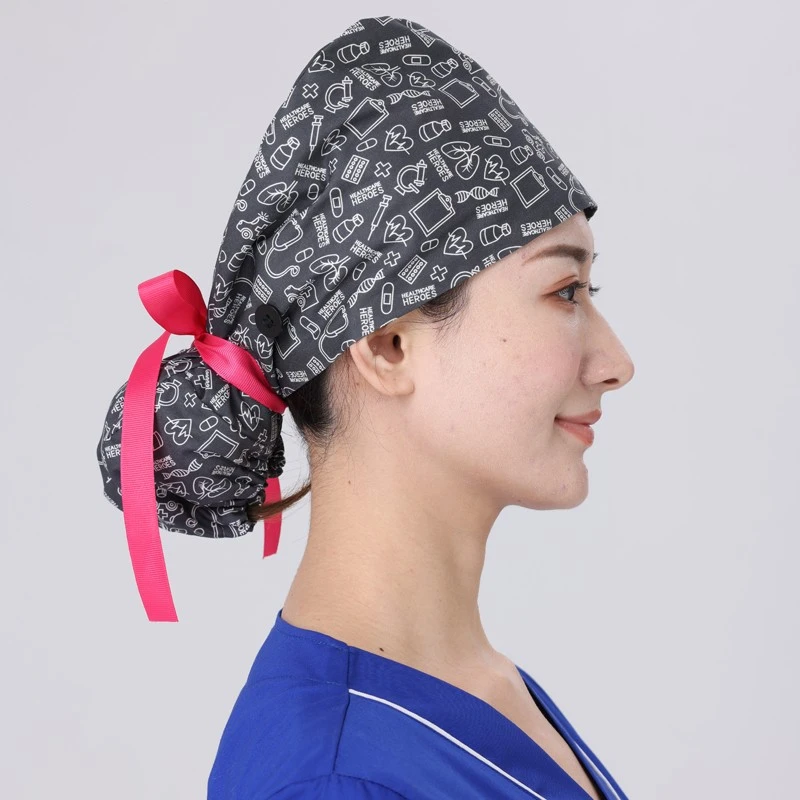
Another solution is to make the surgical caps more appealing and comfortable. If medical staff find the caps comfortable to wear, they're more likely to comply with the protocol. That's why we focus on designing caps that are both functional and comfortable.
Conclusion
In conclusion, wearing surgical caps in the sterile corridor is not just a good idea; it's a necessity. It helps to prevent the spread of bacteria, follows hygiene protocols, and gives patients peace of mind. As a surgical cap supplier, we're committed to providing high - quality caps that meet the needs of medical facilities.
If you're a medical facility looking for reliable surgical caps, we'd love to talk to you. Whether you need a large order for a big hospital or a smaller order for a clinic, we can work with you to find the right solution. Contact us for a quote and let's start a conversation about how we can help you maintain a clean and safe medical environment.
References
- Centers for Disease Control and Prevention (CDC). Guidelines for Environmental Infection Control in Health - Care Facilities.
- World Health Organization (WHO). Surgical Safety Checklist.
- Association for Professionals in Infection Control and Epidemiology (APIC). Best Practices for Surgical Site Infection Prevention.