

Can tweezers be used for plant propagation? Well, that's a question I've been thinking about a lot lately, especially since I'm a tweezers supplier. I've seen all kinds of tweezers in my line of work - Stainless Steel Tweezers, Plastic Tweezers, Blue Plastic Tweezers, you name it. And the idea that they could be useful in plant propagation is pretty interesting.
First off, let's talk about what plant propagation is. It's basically the process of creating new plants from existing ones. There are different methods, like taking cuttings, dividing plants, or using seeds. And in all these methods, having the right tools can make a huge difference.
When it comes to using tweezers for plant propagation, they can be super handy. Take seed sowing, for example. Seeds can be really tiny, and it's almost impossible to pick them up and place them exactly where you want them with your fingers. That's where tweezers come in. You can use a pair of fine - tipped tweezers to gently pick up individual seeds and place them in the soil at the right depth and spacing. This ensures that each seed has enough room to grow and get the nutrients it needs.
If you're using Stainless Steel Tweezers for this task, they're great because they're durable and can handle the repeated use. They're also easy to clean, which is important when dealing with plants. You don't want to transfer any bacteria or diseases from one plant to another.
Now, let's move on to taking cuttings. When you're taking a cutting from a plant, you often need to remove some of the lower leaves. Tweezers can be used to carefully pluck these leaves without damaging the stem of the cutting. This is crucial because a damaged stem can make it harder for the cutting to root and grow into a new plant. Plastic tweezers, like Plastic Tweezers or Blue Plastic Tweezers, are a good choice here. They're lightweight and less likely to cause damage to the delicate plant tissue.
Another aspect of plant propagation where tweezers can be useful is in dividing plants. Some plants, like succulents or small herbaceous perennials, can be divided into smaller sections to create new plants. Tweezers can help you separate the roots or small offsets gently. You can use them to untangle the roots and make clean divisions. This way, each new plant has a better chance of survival.
But it's not just about the practical uses. Tweezers can also make the whole plant propagation process more enjoyable. Instead of struggling with your fingers or using makeshift tools, having a good pair of tweezers gives you more control and precision. You feel like you're really in charge of the process, and it can be quite satisfying to see the results.
However, there are a few things to keep in mind when using tweezers for plant propagation. First of all, make sure the tweezers are clean before you start. You can wash them with a mild soap and water and then dry them thoroughly. This helps prevent the spread of diseases. Also, be gentle when using them. Even though tweezers are small tools, they can still cause damage if you're too rough.
If you're new to plant propagation and thinking about getting some tweezers, consider the type of plants you'll be working with. If you're dealing with very delicate plants, like orchids or some types of ferns, a pair of fine - tipped plastic tweezers might be your best bet. For more robust plants, stainless steel tweezers can handle the job.
In conclusion, tweezers can definitely be used for plant propagation, and they offer a lot of benefits. Whether you're a professional gardener or just someone who loves growing plants at home, having a good pair of tweezers in your toolkit can make the process easier and more successful.

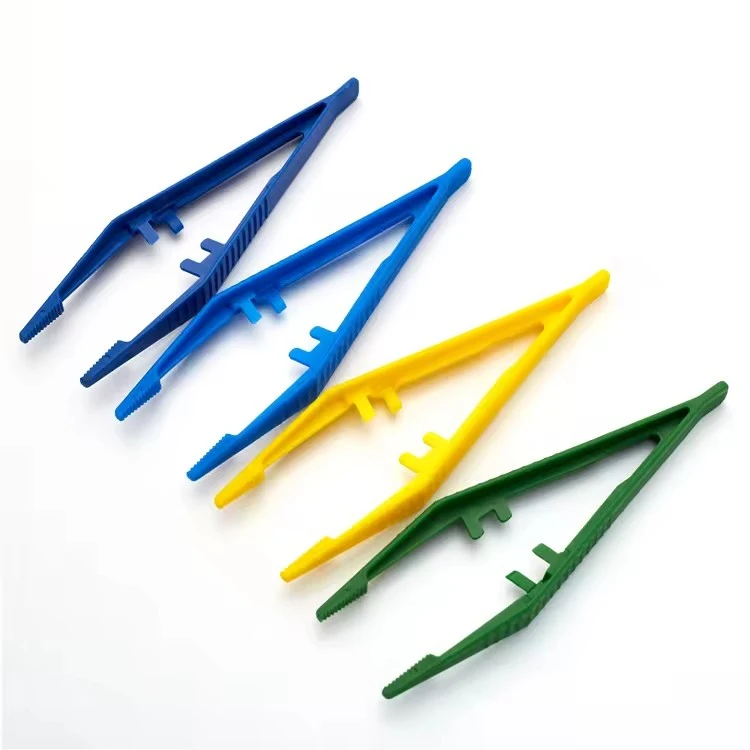
If you're interested in purchasing tweezers for your plant propagation needs, feel free to reach out. We have a wide range of tweezers available, including Stainless Steel Tweezers, Plastic Tweezers, and Blue Plastic Tweezers. Let's start a conversation about your requirements and see how we can help you get the right tools for the job.
References
- "The Complete Book of Plant Propagation" by Alan Toogood
- "Plant Propagation for Beginners" by Smith, J.