

Can I use an FFP2 mask after its expiration date?
As a supplier of Ffp2 Face Masks , this is a question I often encounter from customers. FFP2 masks have become an essential part of our daily lives, especially in the context of the ongoing global health situation. They are designed to provide a high level of filtration against particles, protecting both the wearer and those around them. However, the issue of using these masks after their expiration date is a complex one that requires a detailed examination.
Understanding FFP2 Masks and Their Expiration Dates
FFP2 masks are regulated personal protective equipment (PPE) that must meet specific standards. In Europe, for example, they are certified according to the EN 149:2001+A1:2009 standard. This standard defines the minimum requirements for filtration efficiency, leakage, and breathing resistance. The expiration date on an FFP2 mask is determined through a series of tests conducted by the manufacturer. These tests simulate various environmental conditions and usage scenarios to assess how the mask's performance degrades over time.
The expiration date is not an arbitrary number; it is based on scientific research and quality control measures. Factors such as the materials used in the mask, the manufacturing process, and the storage conditions can all affect the mask's longevity. For instance, the elastic bands on the mask may lose their elasticity over time, making the mask less secure on the face. The filtration layer, which is typically made of non - woven polypropylene, can also be affected by factors like humidity, temperature, and exposure to chemicals.
The Risks of Using an Expired FFP2 Mask
One of the primary concerns when using an expired FFP2 mask is the potential reduction in filtration efficiency. The filtration layer of the mask is designed to trap particles, including viruses and bacteria. Over time, the fibers in the filtration layer can become damaged or clogged, reducing their ability to capture particles effectively. This means that an expired mask may not provide the same level of protection as a fresh one, increasing the risk of infection for the wearer.
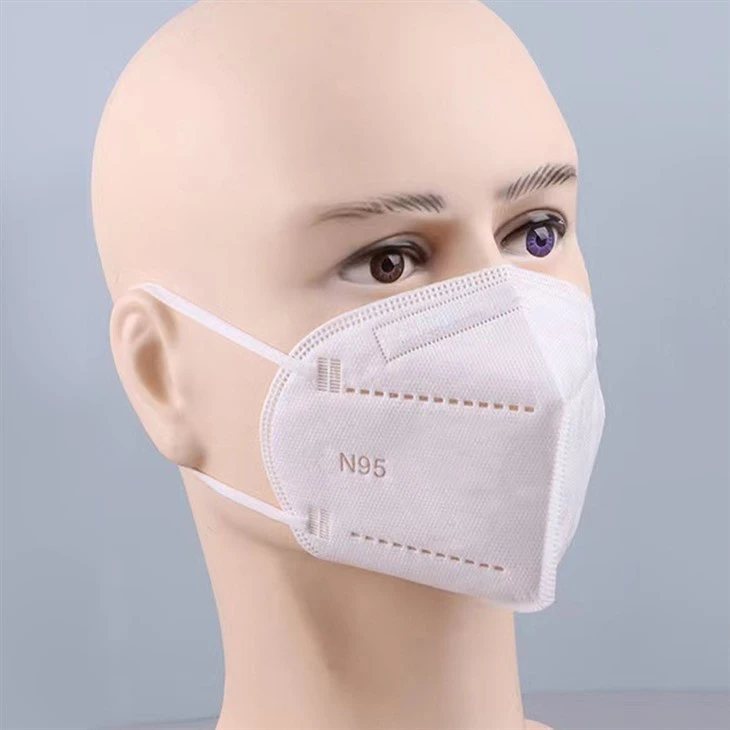

Another risk is related to the fit of the mask. As mentioned earlier, the elastic bands may lose their stretch, and the shape of the mask may change. A poorly fitting mask can allow air to leak around the edges, bypassing the filtration layer. This defeats the purpose of wearing a mask in the first place, as the unfiltered air can still reach the wearer's respiratory system.
In addition, the materials in the mask can degrade over time, potentially releasing harmful substances. For example, some masks may contain chemical additives that can break down and become volatile compounds. Inhaling these substances can cause irritation to the respiratory tract and other health problems.
Factors Affecting the Shelf - Life of FFP2 Masks
The shelf - life of an FFP2 mask can vary depending on several factors. Storage conditions play a crucial role. Masks should be stored in a cool, dry place away from direct sunlight and chemicals. High humidity can cause the filtration layer to absorb moisture, which can lead to the growth of mold and bacteria. Extreme temperatures can also damage the materials in the mask. For example, exposure to high temperatures can cause the plastic components to melt or deform, while low temperatures can make the materials brittle.
The quality of the mask at the time of manufacture also affects its shelf - life. Masks that are produced with high - quality materials and strict manufacturing processes are likely to have a longer shelf - life. Reputable manufacturers conduct extensive testing to ensure the durability and performance of their masks.
When Can an Expired FFP2 Mask Still Be Used?
In some cases, an expired FFP2 mask may still be usable, but only under certain conditions. If the mask has been stored in ideal conditions and shows no visible signs of damage, such as broken elastic bands or a torn filtration layer, it may still provide some level of protection. However, it is important to note that this is not a guarantee, and the level of protection may be reduced compared to a non - expired mask.
In situations where there is a shortage of masks, using an expired mask may be a better option than not wearing a mask at all. However, it should be used with caution, and additional precautions should be taken, such as avoiding close contact with others and practicing good hand hygiene.
What Should a Supplier Do?
As a supplier of Ffp2 Face Masks [/mask/ffp2-mask/ffp2-face-masks.html], it is our responsibility to educate our customers about the proper use and storage of masks. We should provide clear information about the expiration dates and the risks associated with using expired masks. We can also offer guidance on how to store masks to extend their shelf - life.
In addition, we should ensure that the masks we supply are of high quality and meet all relevant standards. This includes conducting regular quality control checks and working with reliable manufacturers. If we receive customer inquiries about expired masks, we should provide honest and accurate information based on scientific evidence.
Conclusion and Call to Action
In conclusion, while it is possible to use an FFP2 mask after its expiration date in certain circumstances, it is generally not recommended due to the potential risks to health. The expiration date is there for a reason, and it is based on scientific research and quality control measures. To ensure the best possible protection, it is advisable to use masks before their expiration date and store them properly.
If you are in need of high - quality Ffp2 Face Masks, we are here to help. We offer a wide range of FFP2 masks that meet all the necessary standards and are manufactured with the highest quality materials. Our team is dedicated to providing excellent customer service and ensuring that you have access to the best PPE products. If you have any questions or would like to discuss your procurement needs, please feel free to contact us. We look forward to working with you to meet your mask requirements.
References
- EN 149:2001+A1:2009 - Respiratory protective devices – Filtering half - masks to protect against particles.
- Research studies on the degradation of PPE materials over time, published in peer - reviewed scientific journals.