

Are cotton balls used in the rubber industry? This is a question that often arises when exploring the diverse applications of cotton balls. As a cotton ball supplier, I've delved deep into the various industries where our products find use, and the rubber industry is an area that merits a closer look.
Understanding Cotton Balls
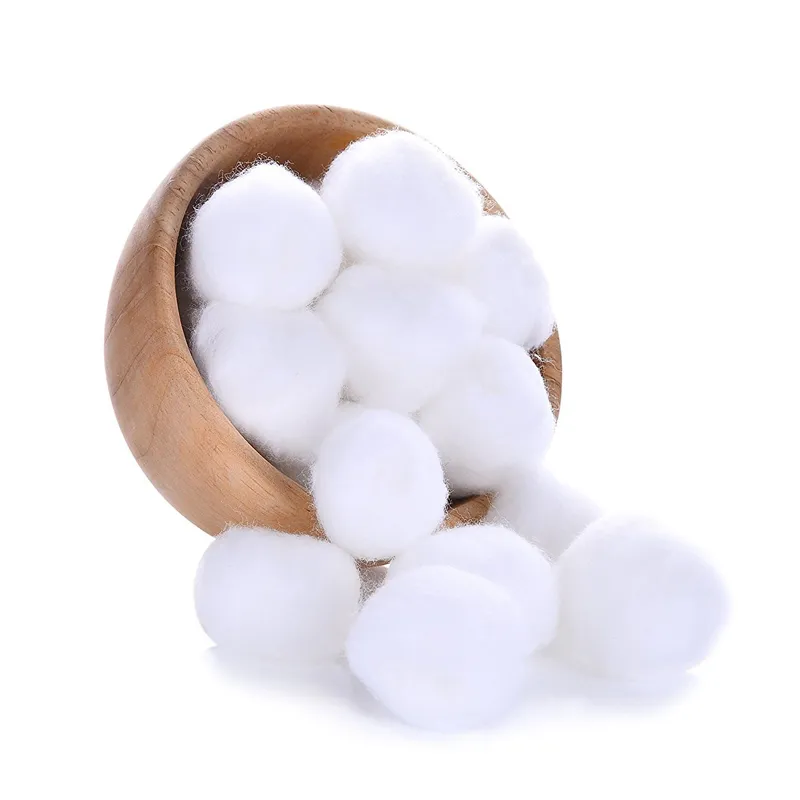
Before we dive into the potential use of cotton balls in the rubber industry, let's first understand what cotton balls are. Cotton balls are made from natural cotton fibers that are processed and formed into soft, fluffy balls. They are known for their absorbency, softness, and purity. Our company offers a wide range of cotton ball products, including Cotton Pad, Dental Cotton Balls, and Large Cotton Balls, each tailored to specific customer needs.
Common Applications of Cotton Balls
Cotton balls have a plethora of well - known applications. In the medical and dental fields, they are used for wound cleaning, applying medications, and absorbing fluids during procedures. In the beauty industry, they are essential for removing makeup, applying toners, and performing facial treatments. Additionally, they are used in household cleaning, arts and crafts, and even in some scientific experiments.
The Rubber Industry: An Overview
The rubber industry is a vast and complex sector that involves the production of various rubber products, from tires and seals to rubber hoses and gaskets. Rubber is a versatile material with unique properties such as elasticity, durability, and resistance to water and chemicals. The production process of rubber involves several steps, including compounding, mixing, molding, and vulcanization.
Potential Use of Cotton Balls in the Rubber Industry
While cotton balls are not a mainstream component in the rubber industry, there are some potential applications.

Reinforcement
Cotton fibers have some strength and can potentially be used as a reinforcement material in rubber products. When incorporated into the rubber matrix, cotton fibers can enhance the mechanical properties of the rubber, such as tensile strength and tear resistance. For example, in some low - cost rubber products where high - performance synthetic fibers are not necessary, cotton fibers from cotton balls could be used as a more economical alternative.
Absorbing Excess Chemicals
During the rubber production process, there are often chemicals involved, such as accelerators, antioxidants, and plasticizers. Cotton balls, with their high absorbency, could potentially be used to absorb any excess chemicals that may be present on the surface of the rubber during or after the production process. This could help in ensuring the quality and purity of the final rubber product.
Packaging and Protection
Cotton balls can be used in the packaging of rubber products. They can provide a soft and protective layer around the rubber items, preventing scratches and damage during transportation and storage. For delicate rubber components, such as precision seals or gaskets, cotton balls can act as a cushioning material.
Challenges and Limitations
However, there are also several challenges and limitations to using cotton balls in the rubber industry.
Compatibility
Cotton is a natural material, and its compatibility with rubber compounds needs to be carefully considered. The surface chemistry of cotton fibers may interact with the rubber matrix in an unpredictable way, which could affect the performance of the rubber product. For example, the presence of moisture in cotton balls could lead to the formation of bubbles or voids in the rubber during the vulcanization process.
Heat Resistance
Rubber products often go through high - temperature processes during production, such as vulcanization. Cotton has relatively low heat resistance compared to some synthetic fibers. At high temperatures, cotton fibers may burn or decompose, which could have a negative impact on the quality of the rubber product.
Contamination
Cotton balls may carry contaminants such as dust, lint, or microorganisms. These contaminants could potentially contaminate the rubber product and affect its performance and appearance. Therefore, strict quality control measures would be required if cotton balls were to be used in the rubber industry.
Case Studies and Research
Although there is limited widespread use of cotton balls in the rubber industry, there have been some research efforts exploring the use of natural fibers, including cotton, in rubber composites. Some studies have shown that with proper treatment and processing, cotton fibers can improve the mechanical properties of rubber to a certain extent. However, more research is needed to fully understand the potential and limitations of using cotton balls in the rubber industry.
Future Prospects
The future of using cotton balls in the rubber industry depends on several factors. With the increasing demand for sustainable and environmentally friendly materials, natural fibers like cotton could gain more attention. If researchers can overcome the compatibility and heat - resistance issues, cotton balls could potentially find a more significant role in the rubber industry.
Conclusion
In conclusion, while cotton balls are not currently a common component in the rubber industry, there are some potential applications. Their use in reinforcement, absorbing excess chemicals, and packaging offers some interesting possibilities. However, the challenges of compatibility, heat resistance, and contamination need to be addressed. As a cotton ball supplier, I'm eager to see further research and development in this area. If you are in the rubber industry and are interested in exploring the potential use of our cotton balls, I encourage you to reach out to us for a detailed discussion. We can provide samples and work with you to find the best solutions for your specific needs. Let's start a conversation and see if our cotton balls can bring value to your rubber production process.
References
- Smith, J. (2018). "Advances in Rubber Composites with Natural Fibers". Journal of Rubber Science and Technology.
- Johnson, A. (2019). "The Role of Absorbent Materials in Rubber Production". International Journal of Rubber Manufacturing.